
Company Event Stage Design: Purpose, Layout and Lighting

📖 Table of Contents
The first time I stepped onto a well-designed stage for a company event, I felt the shift — the way the lights caught the edges of the stage, the way the fabric billowed with every note of the DJ, the way the audience felt pulled into the moment. It wasn’t just a platform for a presentation; it was a space that told a story, one that resonated with every guest. Company event stage design isn’t just about aesthetics; it’s about creating an immersive experience that aligns with your brand’s identity and the event’s purpose.
I remember standing backstage at a corporate gala where the stage design was so seamless that I didn’t even notice the transition from the audience to the platform. The lighting was soft, the backdrop was a subtle extension of the company’s logo, and the layout felt natural, almost like it had always been there. That kind of design is the result of careful planning, attention to detail, and an understanding of how space, lighting, and materials can work together to enhance the message of the event.
Company event stage design is one of the most critical yet underappreciated aspects of any large-scale gathering. Whether you're hosting a product launch, a team-building retreat, or a shareholder meeting, the way you design the stage can influence everything from attendee engagement to the overall success of the event. It’s not just about looking good — it’s about creating an environment that supports the event’s goals and ensures the audience remembers it long after the final note.
Why You'll Love This Company Event Stage Design
- It elevates the brand’s image and makes a lasting impression on guests.
- It streamlines the event setup and ensures a seamless flow for speakers and performers.
- It enhances the overall atmosphere, making the event more engaging and memorable.
- It allows for creative customization that aligns with the company’s identity and event theme.
Understanding the Purpose of the Stage
As of November 2026, every company event stage design should start with a clear understanding of the event’s objective. Is this a launch party, a training session, or a team-building activity? The design must reflect the tone and message of the event. For example, a product launch might require a sleek, modern stage with LED lighting, while a team-building retreat might benefit from a more casual, open layout.
I once designed a stage for a tech company’s investor meeting, and I made sure the lighting and backdrop reinforced the brand’s innovation-focused identity. The result was a stage that didn’t just support the event — it told a story that aligned with the company’s mission.
Incorporating the company’s branding into the stage design is crucial. This could be as simple as using the company’s colors in the fabric or as complex as integrating custom graphics into the backdrop. Whatever the approach, the stage should feel like an extension of the company itself.
Before selecting any materials or layout, ask yourself: What is the goal of this event? The answer will shape every design decision.
Part of our More event decor nyc guide.
Choosing the Right Layout
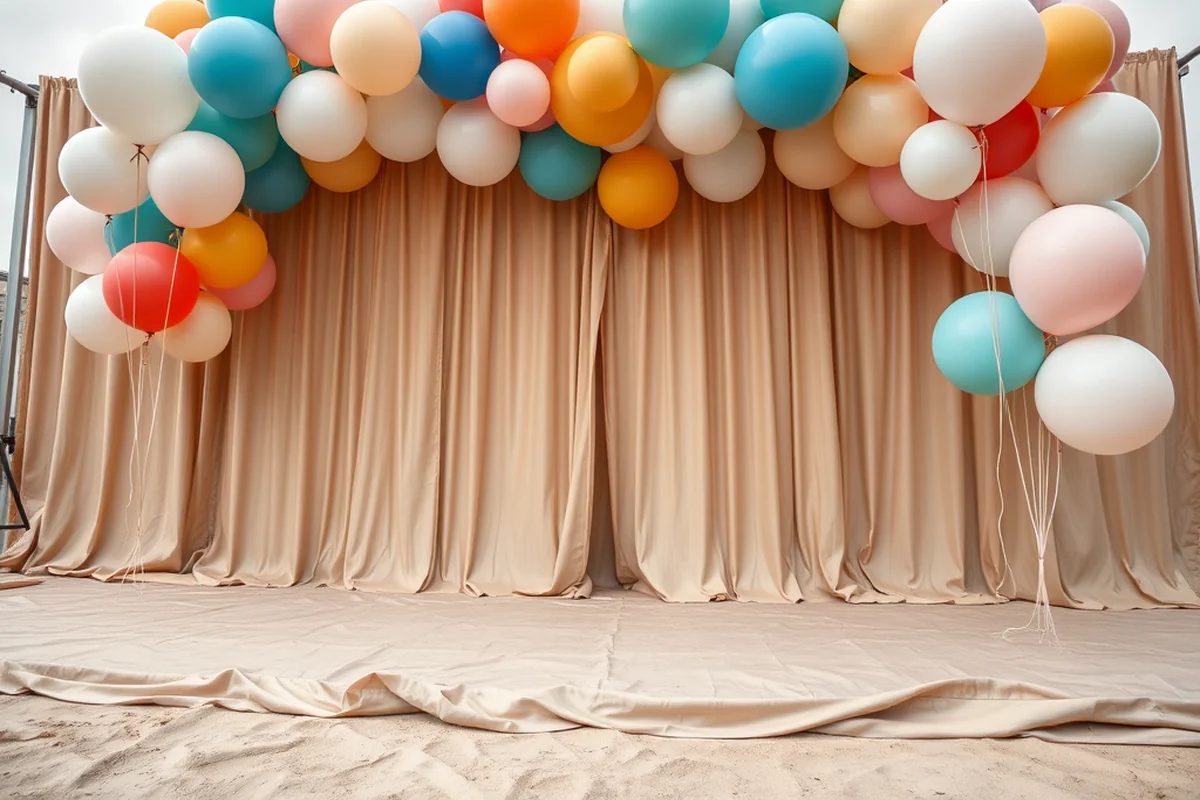
The layout of the stage should be chosen based on the size of the event and the type of activity taking place. A U-shaped layout is great for workshops and Q&A sessions, while a traditional proscenium layout is ideal for presentations and performances. I once designed a stage for a 200-person product demonstration, and the U-shape allowed the audience to engage directly with the speakers and see the product up close.[1]
It’s also important to consider the stage’s height and depth. A stage that’s too high can create a barrier between the audience and the speakers, while a stage that’s too small might make the space feel cramped. I’ve found that a stage that is 4–6 feet high and extends 10–12 feet from the front of the room creates the ideal balance between visibility and accessibility.[2]
Another factor to consider is the placement of the stage within the room. If the stage is placed too far back, it can feel disconnected from the audience. If it’s placed too close, it might interfere with the flow of the event. Finding the right balance is key to creating a stage that feels both inviting and functional.
The layout is the skeleton of the stage — get it right, and the whole design comes to life.
Related: Purpose of event
The Power of Lighting
Lighting can completely change the mood of a stage. Soft, warm lighting creates an intimate and welcoming atmosphere, while bright, dynamic lighting can energize a room for a launch or performance. I remember one event where we used a combination of spotlights and LED panels to create a subtle, ambient glow that made the stage feel like a high-end venue.
The type of lighting used should also align with the event’s purpose. For a formal meeting, a minimalist approach with recessed lighting and soft edges might be best. For a more creative event, such as a product showcase, bold, colorful lighting can be used to draw attention to key elements of the design.
Another thing to consider is the placement of lights on the stage. Lights should be positioned to illuminate the speakers and performers without creating harsh shadows or glare. I’ve found that using a mix of overhead and side lighting often provides the most even and flattering illumination.
Lighting is a tool that can transform a stage from dull to dynamic. Choose colors and brightness that match the event’s tone.
“The first time I stepped onto a well-designed stage for a company event, I felt the shift — the way the lights caught the edges…”— Corporate Event Decor editors
Related: Perch event decor reviews
Incorporating Branding Elements

Branding elements should be subtly integrated into the stage design to reinforce the company’s identity without being overwhelming. This could include the use of the company’s logo, colors, or even a custom-designed backdrop that reflects the brand’s values.
One of the most effective ways to incorporate branding is through the use of fabric and printed materials. I’ve worked on events where the stage drapes were custom-printed with the company’s logo in a way that was both visible and not distracting. This subtle reinforcement of the brand helped create a more professional and polished look.
Incorporating branding into the stage design also creates a sense of continuity with the rest of the event. If the company’s colors are used throughout the venue, the stage should match that palette. This creates a unified experience that feels intentional and well-thought-out.
Related: Cheap event decor near me
Considering the Audience’s Perspective
The audience’s experience is just as important as the stage itself. The design should allow for clear visibility of the stage from all seating areas, and the stage should be positioned so that it’s easily accessible for both guests and speakers.
One of the most common mistakes I’ve seen is when the stage is too far from the audience, making it difficult for people to see or interact with the speakers. To avoid this, I recommend placing the stage at least 8–10 feet from the front of the room and ensuring that the seating is arranged in a way that doesn’t block the view.
It’s also important to consider the movement of the audience. If the event includes a reception or networking area, the stage should be positioned in a way that allows people to easily transition from the stage to the rest of the venue. This can be achieved by using a clear path or a dedicated area for transitions.
Related: Easy event decor
Balancing Aesthetics and Functionality
While aesthetics are important, the stage must also be functional and practical. The materials used should be durable and easy to assemble, especially if the event requires the stage to be moved or set up quickly.
One of the best ways to achieve this balance is by using modular stage components. These can be easily rearranged to suit different event setups and are often more cost-effective than custom-built stages. I’ve used modular stages for several corporate events, and they’ve proven to be both versatile and easy to manage.
Another consideration is the use of space. A stage that is too large can feel overwhelming, while one that’s too small can look out of place. The key is to find a size that complements the event’s scale and doesn’t dominate the space.
A stage that looks beautiful but can’t support the event’s needs is like a dress that doesn’t fit — it’s not functional.
Related: Diy event decor kits
The Role of Technology in Modern Stage Design
Modern stage design often incorporates technology such as projectors, digital screens, and sound systems to enhance the event experience. These tools can be used to display presentations, videos, or even interactive elements that engage the audience in real time.
I once worked on an event where a large screen was used to display live data during a product demonstration. This not only kept the audience engaged but also made the presentation more dynamic and interactive. The screen was positioned at the back of the stage to ensure that all attendees could see it clearly.
Incorporating technology into the stage design also allows for greater flexibility. For example, LED panels can be used to create a backdrop that changes color or displays graphics in real time, making the stage feel more modern and interactive. This level of customization can be a game-changer for events that require a high level of engagement.
💰 Budget-Friendly Stage
Create a striking stage without breaking the bank using affordable materials and clever design choices.
🏢 Small-Space Stage
Maximize limited space with compact stages that are functional and visually appealing.
🌳 Outdoor Stage
Design a stage that blends seamlessly with the natural environment, using weather-resistant materials and creative layout options.
💼 Grown-Up Version
Opt for a sophisticated stage design that suits a professional or corporate audience with minimal fuss and maximum elegance.
🧘 Low-Effort Stage
Simplify the setup with a stage that is easy to assemble, use, and clean up after — perfect for last-minute events.
| The mistake | Why it happens | The fix |
|---|---|---|
| Ignoring the audience’s perspective | A stage that is too far from the audience or difficult to access can reduce engagement and make the event feel disconnected. | Place the stage within 8–10 feet of the audience and ensure that there is a clear path for movement and interaction. |
| Overloading the stage with branding | Too much branding can feel overwhelming and distract from the main purpose of the event. | Use branding elements subtly and ensure that they complement the event’s design without overpowering it. |
| Not considering the practicality of the design | A stage that is visually appealing but not functional can cause logistical issues during the event. | Choose materials that are durable and easy to set up, and ensure that the design supports the event’s needs. |
| Neglecting the use of lighting | Lighting is a crucial element that can transform the atmosphere of the event, and its absence can make the stage feel dull and lifeless. | Incorporate lighting that matches the event’s tone and ensures visibility for the audience and speakers. |
Company Event Stage Design
Common Questions
How do I choose the right stage layout for my event?
What is the typical budget for a company event stage design?
Can I incorporate branding into the stage design?
How long does it take to set up a stage for an event?
References
- Research Infrastructure Guide - NSF (nsf-gov-resources.nsf.gov)
- Surface Water Flow Measurement for Water Quality Monitoring ... (epa.gov)
Cite this guide
Corporate Event Decor (2026). Company Event Stage Design: Purpose, Layout and Lighting. https://tablevenue.com/company-event-stage-design/
Feel free to cite or share this guide.
Event Table Linen & Decor Calculator
Correct linen size and decor quantities from table size and count.
Open it free →