
How To Learn Event Decoration

📖 Table of Contents
- Start with the Basics: Space and Scale
- Color Theory: Choosing the Right Palette
- Lighting: The Secret Weapon of Event Design
- Materials and Textures: Creating Visual Interest
- Centerpieces and Focal Points: Creating Visual Anchors
- Budgeting and Planning: Staying on Track
- Putting It All Together: Creating a Cohesive Design
- Make It Your Way
- Frequently Asked Questions
I remember standing in a warehouse, surrounded by boxes of balloons, fabric, and mismatched centerpieces, unsure of where to begin. I had just signed up for my first event decoration gig, and the overwhelm was real. Learning event decoration isn’t just about aesthetics — it’s about understanding space, materials, and the emotional impact of color and light. If you’ve ever wondered how to learn event decoration, you’re not alone. But here’s the thing: with the right approach, you can transform chaos into a stunning, memorable experience.
Over the past five years, I’ve decorated everything from intimate weddings to corporate galas. And I’ve learned that the key to success isn’t just creativity — it’s a combination of technical skills, practical knowledge, and a bit of trial and error. Whether you're starting from scratch or looking to level up your event design game, the process of learning event decoration can be both challenging and deeply rewarding. It’s not just about making things look good; it’s about creating an environment that communicates your vision and resonates with your guests.
The journey to becoming a skilled event decorator starts with understanding the fundamentals — space planning, color theory, and material selection. But it also requires hands-on experience, a willingness to experiment, and the confidence to make decisions on the fly. If you’re asking yourself, ‘How to learn event decoration,’ then this article is your roadmap. You’ll discover real-world techniques, insider tips, and the tools I’ve used to turn even the most daunting projects into something unforgettable.
Why You'll Love This Article
- Detailed, step-by-step guidance for beginners and advanced decorators alike.
- Real-world insights and techniques that have been tested and refined over years of experience.
- Practical tips that are easy to implement and tailored for any event size or style.
- A clear understanding of key principles that will help you avoid common pitfalls and build confidence.
Start with the Basics: Space and Scale
As of November 2026, before you even think about color or fabric, you need to understand the space you’re working with. Start by measuring the venue, noting the height of ceilings, the size of the room, and the location of any fixed features like pillars or windows. This knowledge will help you avoid over-decorating or leaving large areas feeling empty.
Scale is another crucial element. A small, intimate space might look cluttered with oversized centerpieces, while a large room can feel empty with tiny, delicate decor. I’ve learned to use the 60-30-10 rule as a starting point: 60% of the space should be a dominant color or texture, 30% a secondary element, and 10% an accent. This creates balance and visual interest.[1]
I once decorated a 12-person dinner party in a tiny apartment and realized how much impact scale can have. Using large, bold statement pieces in a small space can overwhelm the room, while smaller, thoughtful decor can make a space feel cozy and inviting. Paying attention to scale can transform the way your decor feels and functions.[2]
Always measure the space and sketch a rough layout before purchasing anything. This will save you time and money, and help you make more informed decisions.
Part of our Event decoration nyc guide.
Color Theory: Choosing the Right Palette
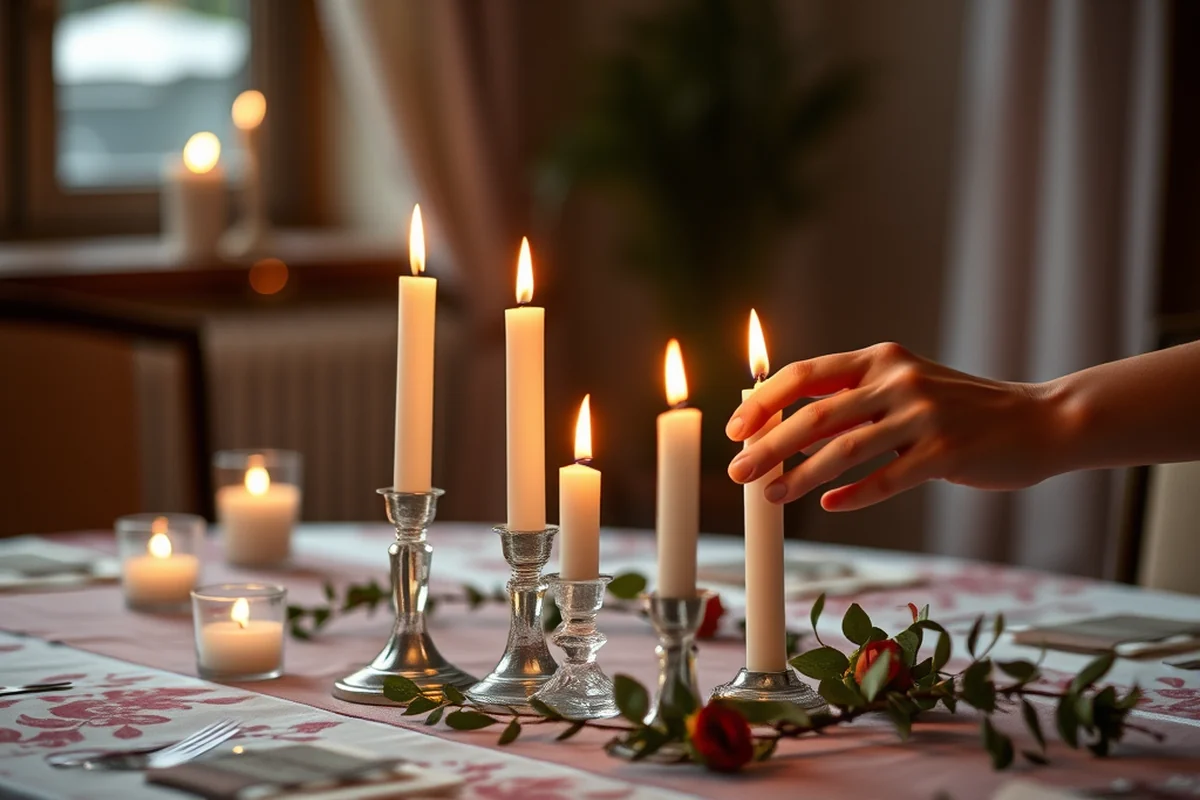
Colors evoke emotions and influence how people feel in a space. Warm colors like red and orange can create energy and excitement, while cool colors like blue and green can promote calm and sophistication. I always start by choosing a primary color that reflects the event's theme or purpose.
Once you’ve selected a primary color, the next step is to choose complementary and neutral tones. Complementary colors are opposite each other on the color wheel and can add vibrancy and contrast, while neutral tones like beige, gray, and white help balance the design. I’ve found that using a monochromatic palette with varying shades and textures can create depth without overwhelming the space.
For a recent client’s birthday party, we used a monochromatic blue palette with different shades of blue, paired with silver and white accents. The result was a cohesive, elegant look that felt both fresh and timeless. Choosing the right color palette is a powerful first step in creating a memorable event.
Color is the silent speaker of your event — choose wisely.
Related: Event decorators near me bronx ny
Lighting: The Secret Weapon of Event Design
Lighting is often the most underestimated element in event decoration, but it can make all the difference. I’ve worked on events where the lighting was so effective that it turned an average space into something magical. Whether you’re using ambient, task, or accent lighting, each has a unique role to play.
Ambient lighting creates the overall mood of the space, while task lighting helps guide guests and highlight key areas like the bar or dining tables. Accent lighting is used to draw attention to specific decor elements, such as centerpieces or signage. I always recommend using a mix of lighting types to create depth and interest.[3]
One of my favorite techniques is using LED string lights to create a warm, inviting atmosphere. They’re versatile, energy-efficient, and can be used in a variety of ways — from draping them over tables to hanging them from ceilings. The right lighting can improve your event and make it feel more dynamic and engaging.
Before finalizing your lighting plan, test it in different conditions to ensure it works well in the space and under various lighting scenarios.
“I remember standing in a warehouse, surrounded by boxes of balloons, fabric, and mismatched centerpieces, unsure of where to begin.”— Corporate Event Decor editors
Related: Best small event decorators near me
Materials and Textures: Creating Visual Interest
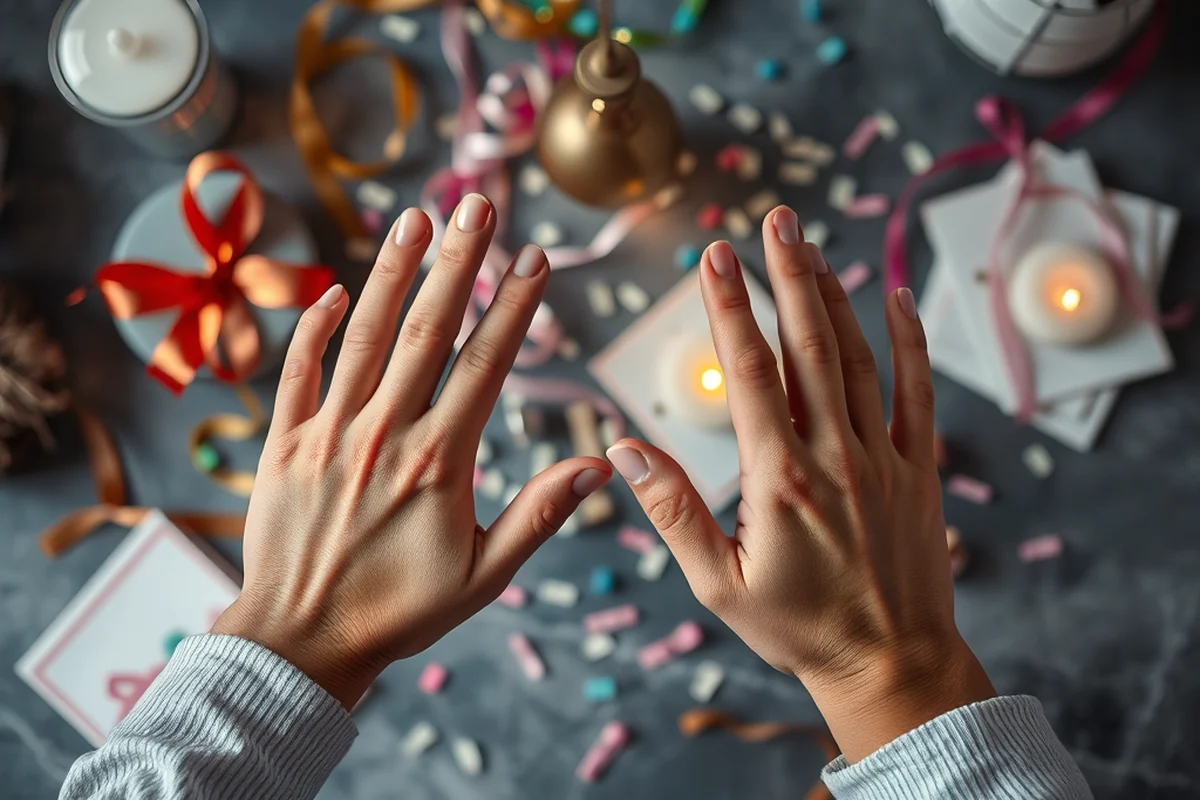
Materials and textures are essential in creating a visually interesting event. I’ve found that mixing smooth surfaces with rough or textured elements can add depth and dimension to a space. For example, pairing a sleek, metallic table with a rustic wooden chair can create a balanced and visually appealing look.
When selecting materials, it’s important to consider durability and ease of use. For example, fabric is a great choice for draping and can be easily adjusted, while paper is more fragile and should be used sparingly. I always recommend using a variety of textures — like velvet, lace, and wood — to create visual interest and keep the design from feeling flat.[4]
In one of my recent projects, I used a mix of velvet table runners, lace curtains, and wooden candle holders to create a rich and layered look. The combination of textures added depth and made the space feel more inviting and luxurious. Choosing the right materials can transform your event and make it feel more cohesive and well-designed.
Related: Party event decorators near me
Centerpieces and Focal Points: Creating Visual Anchors
Centerpieces and focal points are crucial in creating a sense of balance and visual harmony. They help draw the eye and guide the viewer through the space. I always start by identifying the main focal points — like the head table or bar area — and then design around them.
When choosing centerpieces, consider the height, scale, and visual impact. A tall centerpiece can draw the eye upward, while a low centerpiece can create a more relaxed and intimate feel. I recommend using a mix of heights and materials to add visual interest and keep the design from feeling flat.[5]
In a recent wedding, we used a mix of tall floral arrangements and low, textured centerpieces to create a dynamic and visually engaging look. The result was a space that felt both elegant and inviting. Choosing the right centerpieces and focal points can make a huge difference in how your event is perceived.
Related: Cheap birthday event decorators near me
Budgeting and Planning: Staying on Track
Budgeting is one of the most important aspects of event decoration. It helps you stay on track and ensures that you don’t overspend on unnecessary elements. I always start by setting a clear budget and then prioritizing the elements that will have the greatest impact on the event.
When planning, it’s important to consider all the elements — from lighting and materials to centerpieces and rental fees. I recommend creating a list of all the necessary items and then estimating the cost for each. This will help you stay within your budget and make informed decisions.
One of the most valuable lessons I’ve learned is to always have a contingency plan. No matter how well you plan, unexpected costs can arise. I always allocate 10-15% of the budget for unforeseen expenses. This helps ensure that you’re prepared for any surprises and can still deliver a beautiful event.
Plan with purpose, and you’ll save time, money, and stress.
Related: Cheap event decorators near me
Putting It All Together: Creating a Cohesive Design
Putting it all together is the final step in creating a cohesive and visually appealing event design. It’s about ensuring that all the elements — from color and lighting to materials and centerpieces — work together in harmony. I always start by reviewing my initial plan and making any necessary adjustments.
One of the most important things I’ve learned is to trust your instincts and be willing to make changes as needed. Sometimes, the best designs come from experimentation and trial and error. I encourage you to take your time and refine your design until it feels just right.
In one of my recent projects, I had to make last-minute adjustments to the layout and lighting to accommodate a last-minute change in the venue. The result was a space that felt even more dynamic and engaging than I had originally planned. Creating a cohesive design is a process, but with patience and attention to detail, it can be achieved.
💰 Budget-Friendly Decor
Create a stunning event on a shoestring budget with DIY elements, secondhand materials, and clever lighting solutions that make a big impact.
🏡 Small-Space Party
Maximize every inch of space with vertical decor, minimal centerpieces, and strategically placed lighting that makes a small room feel larger and more elegant.
🌳 Outdoor Event
Bring the outdoors in with natural elements like dried flowers, wooden accents, and weather-resistant decor that complement the natural setting.
🎩 Grown-Up Version
Opt for a more sophisticated and elegant look with neutral palettes, metallic accents, and curated decor that exudes timeless style.
🧘 Low-Effort Party
Achieve a beautiful, cohesive look with minimal effort using rental decor, pre-made centerpieces, and simple color palettes that require little planning.
| The mistake | Why it happens | The fix |
|---|---|---|
| Over-decorating the space | Adding too many elements can make the space feel cluttered and overwhelming, making it difficult for guests to navigate or enjoy the event. | Start with a minimalist approach and build from there. Focus on creating a few key design elements that make a statement rather than filling the space with every possible item. |
| Ignoring the space’s scale | Using oversized decor in a small space or undersized decor in a large space can make the event feel unbalanced and unappealing. | Measure the space carefully and choose decor that complements the scale of the venue. Use the 60-30-10 rule as a starting point to ensure balance. |
| Not considering the event’s theme or purpose | Ignoring the event’s theme or purpose can result in a decor that feels disconnected or out of place, failing to communicate the intended message or mood. | Always start by understanding the event’s theme or purpose and design around it. Ensure that every element contributes to the overall vision of the event. |
| Overlooking the importance of lighting | Lighting can dramatically affect the mood and atmosphere of an event, and ignoring it can result in a space that feels dull or uninviting. | Use a mix of ambient, task, and accent lighting to create depth and interest. Test the lighting in different conditions to ensure it works well in the space. |
How To Learn Event Decoration
Common Questions
How can I start learning event decoration if I have no experience?
What are the most important skills to learn in event decoration?
What are some common mistakes to avoid when starting out?
How can I create a budget-friendly event without sacrificing quality?
References
- (PDF) EVENTS-DECORATOR - Academia.edu (academia.edu)
- Calendar • Pysanky Egg Decorating Workshop - Boxford, MA (boxfordma.gov)
- City of Cambridge Department of Veterans Services (DVS) Memorial ... (cambridgema.gov)
- Certified Master Wedding and Event Planner (careertraining.gwinnetttech.edu)
- Event Management and Design (careertraining.hennepintech.edu)
Cite this guide
Corporate Event Decor (2026). How To Learn Event Decoration. https://tablevenue.com/how-to-learn-event-decoration/
Feel free to cite or share this guide.
Event Table Linen & Decor Calculator
Correct linen size and decor quantities from table size and count.
Open it free →