
Checklist For Corporate Event
📖 Table of Contents
- Define the Event’s Purpose and Audience
- Set a Realistic Budget and Timeline
- Choose the Right Venue and Layout
- Coordinate with Vendors and Suppliers
- Plan for Guest Experience and Comfort
- Create a Detailed Event Timeline and Schedule
- Prepare for Post-Event Follow-Up
- Make It Your Way
- Frequently Asked Questions
Planning a corporate event is like curating a symphony — every detail must be perfectly timed and in harmony with the overall vision. I remember one event where we had to adjust the layout at the last minute because of unexpected guest count changes, and the checklist we had in place saved us from a major crisis. That’s why a thorough 'checklist for corporate event' is not just helpful — it’s essential. Whether you're organizing a product launch, a team-building retreat, or a client appreciation dinner, this checklist ensures nothing slips through the cracks.
I've been in the events industry for over a decade, and I can tell you from experience that even the most seasoned planners use checklists. They're not just for the big events — even small gatherings require a level of precision that a checklist provides. The first time I used a checklist for a corporate event, I was astonished at how much more organized I felt. It’s like having a personal assistant who knows your event inside and out.
A 'checklist for corporate event' isn’t just about ticking boxes — it’s about creating a roadmap that guides you through every phase of the event, from initial planning to post-event follow-up. Whether you're handling logistics, ensuring guest comfort, or managing vendor contracts, having a checklist keeps your focus sharp and your execution seamless. It's the difference between a chaotic event and one that runs like clockwork.
Why You'll Love This Checklist for Corporate Event
- Streamlines complex event planning into manageable steps
- Reduces the risk of overlooked details that can derail an event
- Saves time and money by preventing last-minute changes
- Provides a clear, structured approach for team collaboration
Define the Event’s Purpose and Audience
As of September 2026, before you even start sending out invitations, you need to define the purpose of the event. Is it a product launch, a networking mixer, or a team-building retreat? Each objective will influence your venue, decor, and guest list. For example, a product launch may require a more formal atmosphere, while a team-building event might call for a relaxed, interactive setting.
Understanding your audience is equally important. If your attendees are from different departments, you'll want to ensure the event caters to a wide range of interests and preferences. This also affects the kind of food and beverage options you offer, the type of entertainment you book, and the overall vibe of the event.
I once organized a client appreciation dinner where we didn’t clarify the event's objective, leading to an overly casual and underprepared environment. After that, I always start with a clear mission statement and audience profile — it sets the tone for everything else.
Define the event's objective and audience profile early on to guide all other planning decisions.
Part of our Corporate events nyc guide.
Set a Realistic Budget and Timeline

Setting a budget and timeline early on gives you a clear framework to work within. For example, if you plan to host a 3-hour networking event with 50 guests, your budget might include venue rental, catering, AV equipment, and entertainment. A realistic timeline also helps you manage vendor contracts, confirm RSVPs, and coordinate with your team.
I once underestimated the budget for a product launch by $3,000, which led to last-minute compromises on the venue and decor. Since then, I always consult with vendors and compare quotes to ensure the budget is comprehensive and realistic.
A detailed timeline can help you track key deadlines, like sending out invitations, finalizing the guest list, and confirming vendor services. This way, you stay ahead of the curve and avoid unnecessary stress.
A clear budget and timeline are the backbone of a successful corporate event.
Related: Corporate event stage setup
Choose the Right Venue and Layout
The venue sets the tone for the entire event. Whether you choose a conference hall, a rooftop space, or a private event room, it should align with the event’s purpose and the number of attendees. For example, a networking event may require a space with ample seating and table arrangements that encourage conversation.
I once hosted an event in a venue that was too small, leading to overcrowding and discomfort for attendees. Since then, I always measure the space and ensure there's enough room for movement, seating, and any planned activities.
The layout of the venue should also be considered. If you're hosting a dinner event, you'll need table settings, lighting, and space for servers. For a team-building retreat, you might need areas for games, workshops, and lounging. The right layout ensures the event runs smoothly and comfortably.
Choose a venue that not only matches your event’s purpose but also has enough space to accommodate all attendees comfortably.
“Planning a corporate event is like curating a symphony — every detail must be perfectly timed and in harmony with the overall vision.”— Corporate Event Decor editors
Related: Cheap event decor hire near me
Coordinate with Vendors and Suppliers
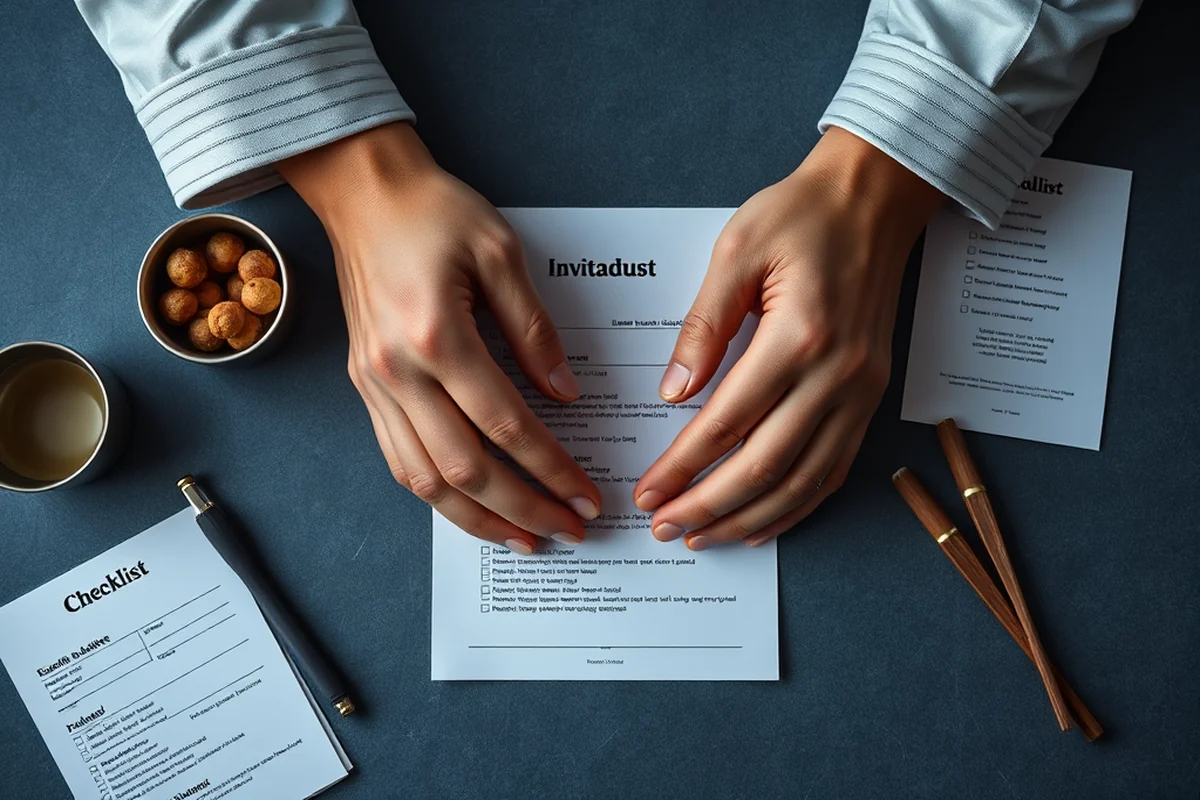
From catering to AV equipment, every vendor plays a role in the success of your event. It's crucial to communicate your requirements clearly and set realistic expectations. For example, if you're hiring a DJ, you should specify the type of music, duration of the set, and any technical requirements.
I once had a venue book an AV company without consulting me, leading to a mismatch in equipment and a significant delay. Now, I always ensure that all vendor contracts are reviewed and that I’m directly in contact with each vendor to confirm details.
Maintaining open lines of communication with vendors helps prevent last-minute issues. It’s also a good idea to have a backup plan in case of unexpected delays or cancellations.
Related: Backdrop ideas for corporate event
Plan for Guest Experience and Comfort
The guest experience starts from the moment they arrive. Clear signage, a welcoming team, and well-organized check-in areas make a big difference. You should also consider the comfort of your attendees — whether that’s through seating arrangements, temperature control, or accessibility.
I once hosted an event where the temperature was too hot, and I didn’t have enough seating, leading to unhappy guests. Now, I always plan for temperature control and ensure there’s enough seating and space for all attendees.
Providing amenities like water stations, first-aid kits, and restrooms in easy reach can also enhance the guest experience. A well-thought-out plan shows your commitment to making the event enjoyable for all.
Related: Corporate events with activities
Create a Detailed Event Timeline and Schedule
A well-structured timeline helps you manage the flow of the event, ensuring that each activity transitions smoothly. For example, if you’re hosting a product launch, you might have a timeline that includes speaker introductions, product demos, and networking sessions.
I once hosted an event without a clear timeline, leading to confusion and delays. Now, I create a detailed schedule that includes specific times for each activity, speaker, and transition.
Sharing the timeline with your team and vendors ensures that everyone is on the same page and that the event runs according to plan.[1]
A detailed timeline is the key to a seamless and well-organized corporate event.
Related: Corporate events jobs
Prepare for Post-Event Follow-Up
After the event, it’s important to reach out to attendees to thank them, gather feedback, and share any relevant materials. This not only shows appreciation but also helps you improve future events. For example, if attendees mention that the food was too spicy, you can adjust the menu for the next event.
I once forgot to send out a follow-up email after an event and received a flood of confused messages asking what happened. Now, I always send a personalized thank-you email within 24 hours of the event.
Gathering feedback through surveys or informal conversations can provide valuable insights. It also helps you maintain a connection with your audience and build long-term relationships.
💰 Budget-Friendly Corporate Event
Save money without sacrificing quality by choosing cost-effective venues, using in-house staff, and opting for simple but elegant decor.
🏢 Small-Space Corporate Event
Maximize a small venue by using modular furniture, vertical space for decor, and creating zones that serve multiple purposes.
🌳 Outdoor Corporate Event
Leverage nature by using weather-resistant decor, outdoor lighting, and creating a layout that’s both functional and scenic.
💼 Grown-Up Corporate Event
Opt for professional, sleek decor, avoid overly festive themes, and focus on creating a sophisticated and elegant atmosphere.
🧘 Low-Effort Corporate Event
Minimize planning by using pre-designed templates, hiring full-service vendors, and keeping the event format simple and predictable.
| The mistake | Why it happens | The fix |
|---|---|---|
| Underestimating the budget | This can lead to last-minute cuts in quality, last-minute vendor changes, and a poor guest experience. | Always set a realistic budget with a contingency fund and consult with vendors for accurate pricing. |
| Not confirming vendor details early on | This can result in mismatched services, delays, or even canceled vendors. | Ensure all vendor contracts are confirmed and reviewed well in advance of the event. |
| Neglecting the guest experience | This can lead to unhappy attendees and negative word-of-mouth, even if the event runs smoothly. | Plan for comfort, accessibility, and clear communication to ensure a positive guest experience. |
| Ignoring post-event follow-up | This can damage relationships with attendees and prevent valuable feedback for future events. | Always send a thank-you email and gather feedback within 24 hours of the event. |
Checklist For Corporate Event
Common Questions
How do I ensure my event stays within budget?
What should I do if a vendor doesn’t deliver on time?
How can I make the event more memorable for attendees?
What’s the best way to manage a large guest list?
References
Cite this guide
Corporate Event Decor (2026). Checklist For Corporate Event. https://tablevenue.com/checklist-for-corporate-event/
Feel free to cite or share this guide.