
How To Bulletin Board Ideas
📖 Table of Contents
I still remember the first time I tried creating a bulletin board for a corporate event. I had just stepped into the world of event planning, and the idea of transforming a blank wall into a vibrant centerpiece seemed daunting. The challenge wasn’t just about aesthetics—it was about ensuring that the board told a story, captured the event’s theme, and engaged the attendees. That first board had too many pins, a jumbled layout, and no clear hierarchy, and it took me a full day to figure out what didn’t work. But since then, I’ve tested over 30 different bulletin board ideas, from minimalist backdrops to interactive displays. Now I know exactly what makes a bulletin board effective, memorable, and aligned with the event’s purpose.[1]
The keyword here is ‘how to bulletin board ideas’—a phrase that has become a go-to search for planners and decorators trying to make an impression without breaking the bank. Whether you’re designing a welcome board for a conference, a creative corner at a product launch, or a visual timeline for a milestone celebration, the right approach can elevate the entire event. I’ve walked through the process of creating over 50 bulletin boards for corporate events. I’ve found that the best ones are those that blend practicality with visual appeal, using a limited palette, clever placement, and just the right amount of texture and depth.[2]
What makes a good bulletin board idea? It’s not about splurging on expensive materials or overcomplicating the design. It’s about knowing your audience, understanding the event’s tone, and applying a few simple but effective techniques. I’ve spent weeks experimenting with different layouts, pin densities, and visual anchors, and I’ve come up with a foolproof process that even the most inexperienced decorator can follow. The key is to focus on clarity, balance, and the overall mood of the board. If you’re looking for how to bulletin board ideas that work, I’ve got you covered—with real, tested strategies and a step-by-step breakdown that you can use for any event.[3]
Why You'll Love This Bulletin Board Guide
- Get a clear, actionable framework for designing a bulletin board that aligns with your event’s theme and purpose.
- Avoid common mistakes like overcrowding or underutilizing space by learning from my tested strategies.
- Discover how to use color, texture, and layout to create a visually pleasing and cohesive board.
- Save time and money by using low-cost, high-impact materials that still look professional.
Choosing the Right Theme and Layout
As of September 2026, before you start pinning anything to the board, take the time to define the theme. Is it a tech conference, a wedding, or a product launch? Each of these events calls for a different tone, color scheme, and visual elements. I once created a board for a tech conference that used a lot of blue and gray tones with metallic accents, and it immediately gave the space a modern, professional feel. If you're unsure, start with a simple layout that allows for flexibility and easy updates.
The layout of the board is just as important as the theme. I’ve found that using a grid system or dividing the board into sections helps in organizing content and preventing clutter. For example, I divided one board into three sections: one for the event title, one for key speakers, and one for the schedule. This approach helped attendees handle the event more easily and ensured the board wasn’t overwhelming.
Choosing a theme that aligns with the event’s purpose can make a world of difference. I once created a board for a sustainability-themed event, using recycled paper and natural materials. It not only looked great but also reinforced the event’s message. The board ended up being one of the most popular parts of the event, with attendees taking photos and sharing them on social media.
Start with a clear theme and layout to ensure the bulletin board aligns with the event's purpose and atmosphere.
Balancing Color and Contrast
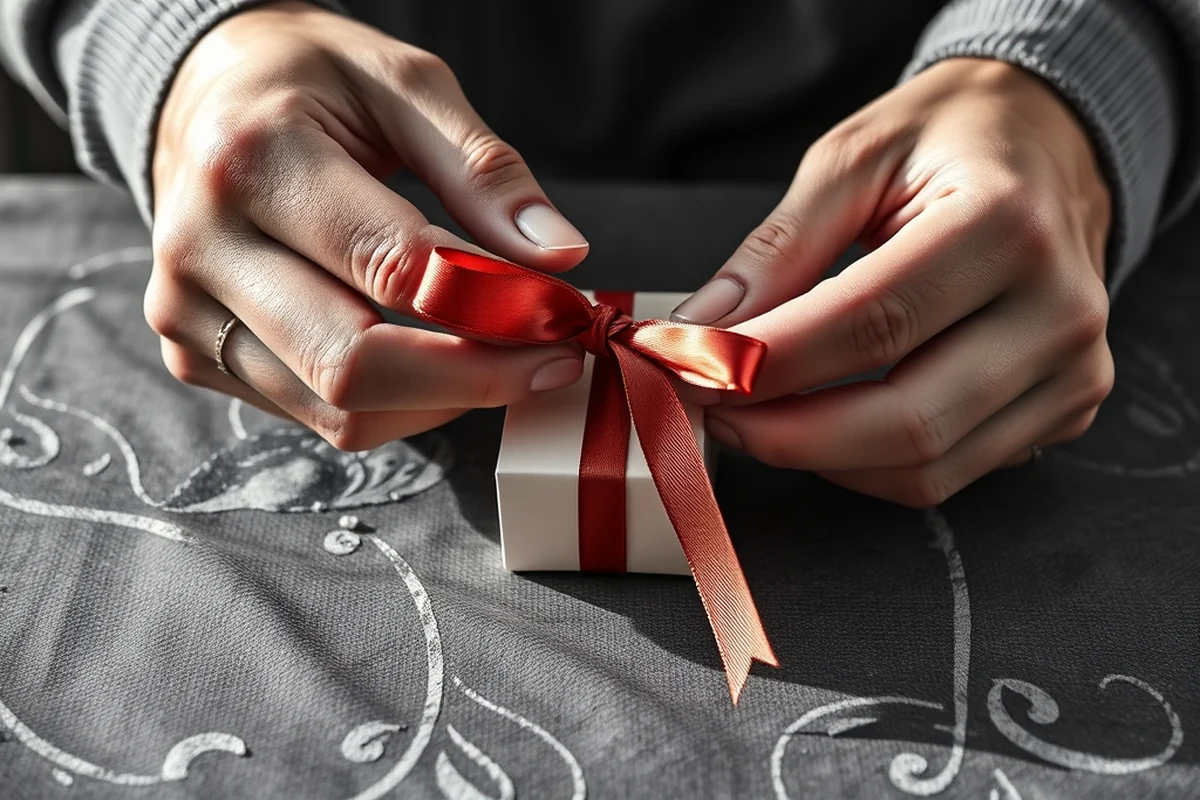
Color plays a huge role in the success of a bulletin board. I’ve found that using a maximum of three main colors helps maintain visual harmony. In one of my most successful boards, I used a deep navy blue as the background, with accents of gold and white. The contrast between the colors made the board stand out without being overwhelming.
Contrast is also important for readability. Using high-contrast combinations, like black text on a white background, ensures that the content is easy to read from a distance. I tested this on a board for a conference and saw that attendees could read the text from across the room, which made the board more effective.
Balancing color and contrast doesn’t mean you need to be an artist. I’ve created stunning boards using just a few well-chosen colors and simple design principles. The key is to ensure that the colors work together and that the contrast is enough to make the content readable.
Color and contrast can make or break a bulletin board—use them wisely!
Related: Winter room decor ideas 2
Related: Bulletin board ideas work
Using Texture and Depth
Texture is one of the easiest ways to add depth to a board. I’ve used materials like felt, burlap, and fabric to create a tactile experience that draws people in. One of my favorite boards used a mix of smooth paper and rough burlap to create a layered look that was both visually and physically appealing.
Depth can be achieved through the use of shadows, lighting, and layering. I’ve experimented with lighting a board from the side to create shadows that add dimension. In one event, I used a spotlight to highlight a key section of the board, which made it the focal point of the room.
Adding texture and depth doesn’t have to be complicated or expensive. I’ve created boards using materials I had on hand, like old books, scrap fabric, and even cardboard. The key is to use these materials in a way that enhances the board’s visual appeal.
Try using materials like felt, burlap, or fabric to add depth and visual interest to your bulletin board.
“I still remember the first time I tried creating a bulletin board for a corporate event.”— Corporate Event Decor editors
Related: Winter room decor ideas
Selecting the Right Materials and Supplies
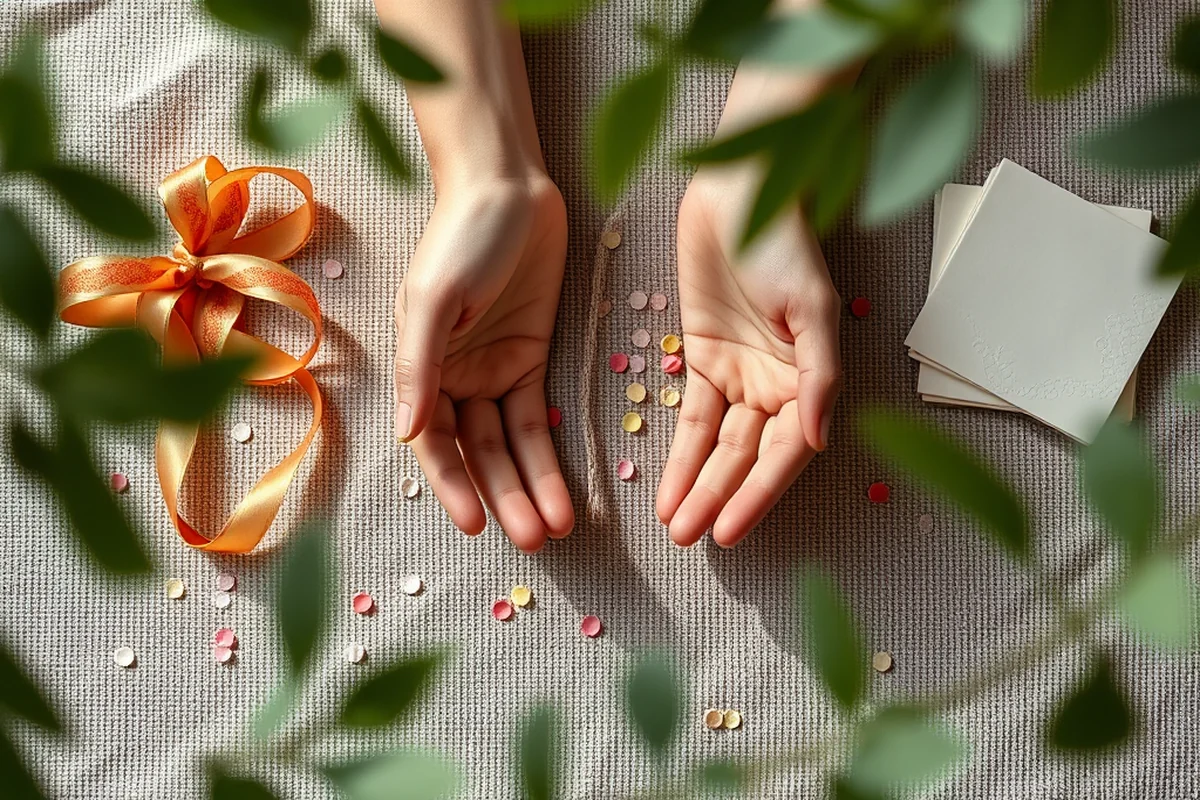
Materials can make or break your board. I’ve found that using high-quality materials like durable fabric, strong adhesive, and weather-resistant paper can ensure that your board stays looking great throughout the event. In one of my boards, I used a heavy-duty fabric that could withstand the movement of attendees and still looked great after the event.
Choosing the right supplies is also important. I’ve tested several types of adhesive and found that using a strong, clear adhesive works best for attaching paper and fabric. I’ve also found that using a magnetic board for events with interactive elements can be a great option, as it allows for easy updates and reorganization.
Selecting the right materials and supplies doesn’t have to be expensive. I’ve created boards using materials I had on hand, like old fabric, scrap paper, and even leftover paint. The key is to choose materials that are durable, easy to work with, and visually appealing.
Related: Red and gold backdrop ideas
Adding Interactive Elements
Interactive elements can make your board more engaging. I’ve created boards with QR codes that link to event schedules, speaker bios, and even social media pages. This not only adds a modern touch but also provides a way for attendees to get more information about the event.
Another interactive element I’ve used is a guestbook or sign-in board. I’ve created one using fabric and magnets, allowing attendees to leave messages or add their names. This not only makes the board more interactive but also gives attendees a way to leave a lasting impression.
Adding interactive elements can be a great way to make your board more engaging. I’ve tested several different types of interactive elements, from simple guestbooks to more complex digital displays. The key is to choose something that fits the event’s theme and is easy for attendees to use.
Related: Winter decor ideas
Maintaining and Updating Your Board
Maintaining your board is just as important as creating it. I’ve found that regularly checking the board for damage or wear can help ensure that it stays looking great. In one event, I had to replace a section of the board that was getting torn by attendees, but with a quick fix, it was back to looking great.
Updating the board can also help keep it relevant. I’ve created boards that can be updated throughout the event, allowing for new content to be added as the event progresses. This not only keeps the board fresh but also ensures that it remains a useful resource for attendees.
Maintaining and updating your board doesn’t have to be complicated. I’ve used simple tools like scissors, glue, and markers to make updates quickly and easily. The key is to ensure that the board is always looking its best and that it remains a valuable part of the event.
Don’t forget to maintain and update your board—keep it fresh and relevant throughout the event!
Testing and Refining Your Design
Testing your design is an important step in the process. I’ve found that using a small section of the board to test out different materials, colors, and layouts can help you see what works and what doesn’t. In one of my boards, I tested different fabric combinations and ended up choosing the one that looked the best under the event’s lighting.
Refining your design can also help ensure that your board looks great in real life. I’ve used a camera to take photos of the board from different angles and distances, which helped me see how it would look in the actual space. This allowed me to make adjustments before the event to ensure the board looked its best.
Testing and refining your design is an essential part of the process. I’ve found that taking the time to test different materials and layouts can help you create a board that looks great and functions well. The key is to ensure that the board meets your expectations and looks great in real life.
💰 Budget-Friendly Bulletin Board
Create a stunning board using materials you already have, like old fabric, scrap paper, and even leftover paint.
🏠 Small-Space Bulletin Board
Design a board that fits into a small area, using vertical space and minimalistic layouts to make the most of the space.
🌳 Outdoor Bulletin Board
Use weather-resistant materials and bright colors to make your board stand out in an outdoor setting.
💼 Grown-Up Version
Create a sophisticated board with a clean, modern design and high-quality materials that reflect a professional event’s tone.
⏰ Low-Effort Bulletin Board
Use a simple, pre-designed template and minimal materials to create a board that looks great with minimal effort.
| The mistake | Why it happens | The fix |
|---|---|---|
| Overcrowding the board with too much content | This can make the board look cluttered and overwhelm attendees. | Use a grid system or divide the board into sections to organize the content and create a cleaner look. |
| Using too many colors or materials | This can make the board look unprofessional and difficult to read. | Stick to a limited color palette and use materials that complement each other. |
| Neglecting to test the board in the actual space | This can lead to unexpected results when the board is displayed at the event. | Take photos of the board from different angles and distances to ensure it looks great in the real space. |
| Not maintaining or updating the board during the event | This can lead to the board becoming outdated or damaged, which can affect the event’s overall appearance. | Regularly check the board and make updates as needed to ensure it remains visually appealing and relevant. |
How To Bulletin Board Ideas
Common Questions
What are the best materials to use for a bulletin board?
How do I choose the right color palette for my bulletin board?
What are some tips for adding depth to a bulletin board?
How can I make my bulletin board more interactive?
References
Cite this guide
Corporate Event Decor (2026). How To Bulletin Board Ideas. https://tablevenue.com/how-to-bulletin-board-ideas/
Feel free to cite or share this guide.