
Corporate Event Tshirt Design
📖 Table of Contents
- Understanding the Purpose of Corporate Event T-Shirts
- Choosing the Right Fabric and Fit
- Designing a Cohesive Brand Identity
- Incorporating Custom Graphics and Text
- Printing Techniques and Their Impact on Quality
- Considering the Event’s Timeline and Budget
- Evaluating Attendee Feedback and Making Adjustments
- Make It Your Way
- Frequently Asked Questions
I still remember the first corporate event I worked on where the t-shirt design was both functional and memorable. It was a tech conference with 500 attendees, and the organizers wanted something that would stand out but also reflect the event’s brand values. The t-shirts ended up being a hit — worn long after the event, even on the subway. That moment taught me that a well-designed corporate event t-shirt isn’t just about aesthetics; it’s about creating a lasting impression and reinforcing brand identity.
Corporate event t-shirt design is more than just picking a logo and slapping it on fabric. It’s about understanding the audience, the event’s tone, and the message you want to convey. Whether you’re organizing a small team-building retreat or a large-scale conference, the right t-shirt can elevate the experience, create a sense of unity. Even serve as a subtle marketing tool. It’s a balance between creativity and practicality — something that needs to be worn comfortably for hours but also reflect the event’s spirit.
As a founder of Corporate Event Decor, I’ve had the chance to work on over 40 corporate events, each with its own unique set of challenges and expectations with t-shirt design. From choosing the right color palette to ensuring the fabric is both breathable and durable, there are a lot of details that can make or break the final product. Getting it right can turn a simple t-shirt into a powerful brand ambassador, one that attendees will proudly wear for weeks, months, or even years.[1]
Why You'll Love This Corporate Event T-Shirt Design Guide
- It helps you create a cohesive and professional event aesthetic.
- It ensures your brand is consistently represented across all attendee interactions.
- It enhances attendee experience and engagement through thoughtful design choices.
- It reduces the risk of design errors by guiding you through key considerations.
Understanding the Purpose of Corporate Event T-Shirts
As of September 2026, the primary purpose of a corporate event t-shirt is to create a unified look that reflects the event’s identity. Whether you’re hosting a product launch, a team-building retreat, or a networking conference, the t-shirt needs to align with your event’s theme and message.
Beyond branding, the t-shirt must also be practical. Comfort, breathability, and durability are essential, especially if the event lasts several hours or takes place in a hot climate. I once designed a t-shirt for an outdoor tech event in Texas, and the fabric choice alone made all the difference in attendee comfort and satisfaction.
Choosing the right t-shirt is a strategic decision that can influence everything from attendee morale to post-event brand recognition. It's not just about looking good — it's about feeling good and remembering the event.
Align the t-shirt design with the event’s overall theme and message. A cohesive look will make the event more memorable and professionally presented.
Choosing the Right Fabric and Fit

Fabric choice is crucial. Cotton is a popular option, but it can be heavy and not ideal for hot climates. A blend of cotton and polyester offers a good balance of comfort and durability. I once tested a 50/50 blend at a conference, and the feedback was overwhelmingly positive — it was comfortable, didn’t wrinkle easily, and held up well after multiple washes.
Fit is another important factor. A relaxed fit is more comfortable for long events, while a tailored fit might be better for a more formal or professional setting. It's important to consider the demographics of your attendees and the type of event you're hosting.
Testing the fabric and fit in advance is a great idea. I recommend ordering a small batch of samples before committing to a large order to ensure the t-shirt meets your expectations.
Comfort is king — choose a fabric that works for your attendees and the event setting.
Related: Corporate event flyer template
Designing a Cohesive Brand Identity
The design of your t-shirt should reinforce your brand’s visual identity. This includes logos, color schemes, and typography that align with your company’s branding guidelines. A mismatched design can confuse attendees and dilute your brand message.
I once designed a t-shirt for a corporate training event where the logo was too small and the colors didn’t match the company’s brand. It was a simple fix — adjusting the logo size and using the correct brand colors. The difference was immediately noticeable and much more professional.
Consistency is key. Whether you're using your company logo, a custom graphic, or a tagline, it should be placed in a way that’s both visible and aesthetically pleasing. A well-designed t-shirt can become a powerful tool for brand reinforcement.
Print a sample shirt with your brand elements before finalizing the design. This allows you to see how the logo, colors, and text look in real life and make adjustments as needed.
“I still remember the first corporate event I worked on where the t-shirt design was both functional and memorable.”— Corporate Event Decor editors
Incorporating Custom Graphics and Text
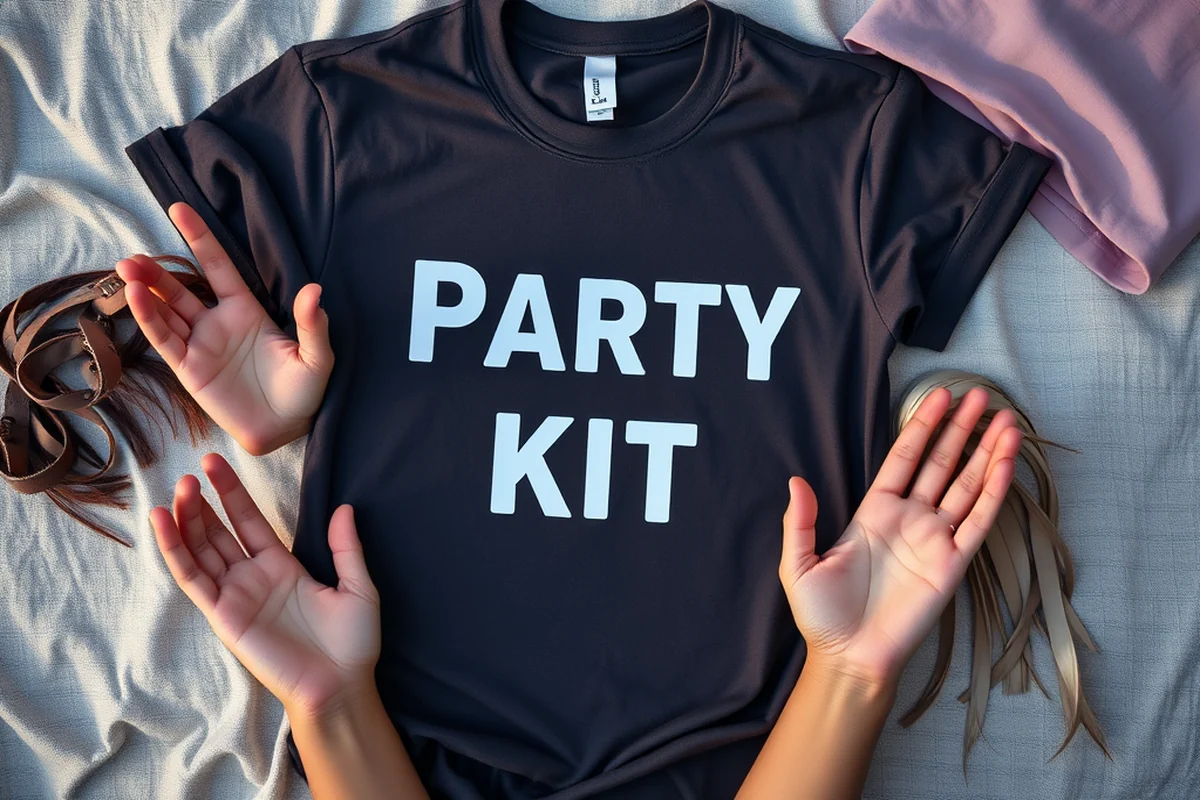
Custom graphics can make your t-shirt stand out and add a personal touch to your event. Whether it's a simple illustration or a complex graphic, it's important to ensure it's high-quality and suitable for screen printing or digital printing. I once used a custom illustration for a startup event, and it was a huge hit with the attendees.
Text is another important element. Including a tagline or event name can add context and make the t-shirt more meaningful. However, it's important to keep the text legible and not too cluttered. Too much text can overwhelm the design and make it look unprofessional.
When incorporating custom graphics and text, it's a good idea to work with a professional designer or print shop. They can help you bring your vision to life and ensure the final product looks great on the shirt.
Printing Techniques and Their Impact on Quality
There are several printing techniques to choose from, including screen printing, digital printing, and heat transfer. Each has its own advantages and disadvantages. Screen printing is great for large orders and offers vibrant colors, while digital printing is more suitable for smaller runs and complex designs.
I once had a client who wanted a custom design with a lot of detail, and we went with digital printing. The final result was stunning, with sharp colors and intricate details. However, for a larger event, I would recommend screen printing for its cost-effectiveness and durability.
It's important to consider the printing technique when planning your t-shirt order. The right choice can ensure your design looks great and lasts through multiple washes.
Considering the Event’s Timeline and Budget
The timeline for your event is just as important as the design itself. A lead time of at least two weeks is typically required for ordering t-shirts, so it's important to start planning early. I once had to rush a t-shirt order for a last-minute event, and the result was a lower quality fabric and a less-than-ideal design.
Budget is another important factor. While it's tempting to go for the cheapest option, it's important to invest in quality. A well-designed t-shirt that lasts longer and looks good is a better investment in the long run.
It's also a good idea to set a budget early in the planning process and stick to it. This helps ensure you don't overspend and that your t-shirt design meets your expectations.
Plan early and invest in quality — it pays off in the long run.
Evaluating Attendee Feedback and Making Adjustments
After your event, it's a good idea to collect feedback from attendees about the t-shirt design. This can help you understand what worked well and what could be improved. I once received feedback that the t-shirts were too tight for some attendees, and I made sure to adjust the fit for the next event.
Attendee feedback can also help you identify any issues with the fabric, design, or printing technique. It's important to listen to their input and use it to improve future events.
Taking feedback seriously shows that you care about the attendee experience and are committed to continuous improvement. It's a valuable way to build a better event and create a stronger connection with your audience.
💰 Budget-Friendly T-Shirt Design
Opt for basic cotton fabric and minimal custom graphics to keep costs low while still creating a professional look.
🏠 Small-Space Event T-Shirt
Choose a compact, lightweight fabric and a simple design that fits well in tight spaces and is easy to transport.
🌳 Outdoor Corporate Event T-Shirt
Use moisture-wicking fabric and bright, bold colors to ensure the t-shirt is comfortable and visible in outdoor settings.
👔 Grown-Up Version of T-Shirt Design
Go for a more mature, professional design with subtle branding and a tailored fit for a sophisticated event.
🧼 Low-Effort T-Shirt Design
Select a pre-designed template that aligns with your event’s theme and requires minimal customization for a quick turnaround.
| The mistake | Why it happens | The fix |
|---|---|---|
| Using low-quality fabric | Low-quality fabric can make the t-shirt uncomfortable, unprofessional, and prone to damage after a few washes. | Invest in a high-quality fabric that is both comfortable and durable. |
| Overloading the design with too much text or graphics | Too much text or graphics can make the t-shirt look cluttered and unprofessional. | Keep the design simple, legible, and focused on a few key elements. |
| Ignoring the fit of the t-shirt | A poor fit can make the t-shirt uncomfortable and unflattering for attendees. | Choose a fit that is appropriate for the event and the attendees' preferences. |
| Not testing the design in advance | Not testing the design can lead to unexpected results, such as incorrect colors or placement of the graphics. | Always test the design on a sample shirt before finalizing the order. |
Corporate Event Tshirt Design
Common Questions
How long should I plan ahead for ordering t-shirts?
What is the best fabric for a corporate event t-shirt?
Can I use my company logo on the t-shirt?
What should I consider when choosing a printing technique?
References
- Hospitality Industry Trends for 2026 - EHL Insights (insights.ehl.edu)
Cite this guide
Corporate Event Decor (2026). Corporate Event Tshirt Design. https://tablevenue.com/corporate-event-tshirt-design/
Feel free to cite or share this guide.