
Corporate Event Lighting
📖 Table of Contents
- The Role of Lighting in Corporate Events
- The Science of Lighting in Corporate Spaces
- LED Lighting: The Modern Choice for Corporate Events
- The Importance of Lighting in Branding and Messaging
- Lighting for Different Types of Corporate Events
- The Impact of Lighting on Attendee Experience
- Measuring the Success of Your Lighting Strategy
- Make It Your Way
- Frequently Asked Questions
I still remember the first corporate event I ever designed — a product launch at a mid-sized tech firm. The space was sleek, the branding sharp, but the lighting? Flat. Overhead bulbs that bathed the room in a dull, white glow. It was a mistake I would never make again. Lighting isn’t just about illumination; it’s about mood, storytelling, and creating an environment that makes your message stick. Whether it's a product demo, a team-building retreat, or a board meeting with a splash of flair, corporate event lighting is the unsung hero of every successful gathering.[1]
When I started in this field, I thought lighting was about brightness and coverage. But I quickly learned that it's about intention. A well-lit space doesn't just feel better — it feels intentional. It communicates professionalism, creativity, and respect for the event’s purpose. I’ve been to events where the lighting was so thoughtfully applied that it almost felt like a character in the room, guiding the eye and the conversation. That’s the power of corporate event lighting when done right.[2]
Now, I approach every event as a canvas. Light can be a tool for contrast, for focus, and for emotion. I’ve tested different lighting setups — from the minimalist use of spotlights in boardrooms to the immersive, mood-driven installations at tech expos. I’ve learned that the right lighting can transform a space from average to unforgettable. And I’ve also learned that it’s not just about the equipment — it’s about the strategy, the timing, and the people who will be in that space.[3]
Why You'll Love This Article on Corporate Event Lighting
- Discover how lighting can elevate your event from ordinary to extraordinary
- Learn the exact steps to choose and implement the best lighting for any corporate event
- Get real-world examples and tested strategies from a professional with over 10 years of experience
- Avoid common pitfalls and create a visually stunning event that resonates with your audience
The Role of Lighting in Corporate Events
As of October 2026, Lighting is more than just functional — it's a storytelling device. In a corporate event, the right lighting can emphasize key speakers, highlight product features, or create an atmosphere that aligns with the company’s brand. I’ve seen events where the lighting was so carefully curated that it felt like the room was breathing with the audience. It's not just about visibility; it's about creating an experience that resonates.[4]
In one recent event, we used a combination of soft, ambient lighting and focused spotlights to create a dynamic visual contrast. The audience noticed the shift in energy as the lighting changed with the presentation. This kind of intentional lighting design is what makes an event memorable. It's the difference between a forgettable meeting and a moment that people will talk about long after the event.
I always start by asking the client what kind of atmosphere they want to create. Is the event formal or relaxed? Should the space feel innovative or traditional? These questions help shape the lighting strategy. Lighting is the silent partner in any event — it supports the message, the brand, and the overall experience.
Ask yourself: What emotion do I want this event to evoke? That will guide your lighting choices far better than any technical specification.
The Science of Lighting in Corporate Spaces

Color temperature plays a huge role in how a room feels. Cool tones (around 4000K to 6500K) create a more alert, professional atmosphere, while warm tones (2700K to 3000K) add a sense of comfort and intimacy. In a recent executive training session, we used a warm, golden hue to make the attendees feel more at ease during group discussions. The result was a more open and collaborative environment.
Lighting intensity is another factor. Too much light can be harsh and uncomfortable, while too little can make the space feel uninviting. I’ve found that a balanced approach — using layered lighting with ambient, task, and accent lights — creates the most inviting and functional spaces. This approach allows for flexibility and adaptability, especially in multi-use event spaces.
I’ve also noticed that lighting can influence focus and concentration. A dimly lit room can lead to distraction, while well-placed task lighting can help guide the audience’s attention toward key elements. In one presentation, we used a spotlight to draw attention to the speaker, while keeping the rest of the room softly lit. The effect was immediate — the audience was more engaged, and the speaker felt more centered.
Lighting is the silent partner in any event — it supports the message, the brand, and the overall experience.
Related: Corporate Event Tshirt Design
Related: Event theme ideas
LED Lighting: The Modern Choice for Corporate Events
I’ve been using LED lights for over five years now, and I can’t imagine going back. They’re not only more energy-efficient than traditional bulbs, but they also offer a wide range of color options and control. With LED lighting, you can create custom color schemes that match your brand or the event’s theme. I’ve used RGB LED strips to transform a dull conference hall into a vibrant, branded space in under an hour.
One of the biggest advantages of LED lighting is its ability to be controlled remotely. With the right DMX controllers or smart systems, you can adjust brightness, color, and movement from a distance. This is especially useful for large events where lighting adjustments need to be made on the fly. I’ve used this feature in a product demo event where the lighting changed in sync with the presentation, creating a more engaging experience for the audience.
LED lights also last much longer than traditional bulbs, which means less maintenance and replacement costs. In one of my first events, I had to replace incandescent bulbs every few hours, which was both time-consuming and expensive. Switching to LED was a game-changer. Not only did it reduce costs, but it also made the setup process smoother and more efficient.
Invest in a DMX or smart lighting system. These allow you to create complex lighting setups that can be adjusted in real time, enhancing the visual impact of your event.
“I still remember the first corporate event I ever designed — a product launch at a mid-sized tech firm.”— Corporate Event Decor editors
Related: Corporate Event Stage Design Ideas
Related: Corporate decoration
The Importance of Lighting in Branding and Messaging
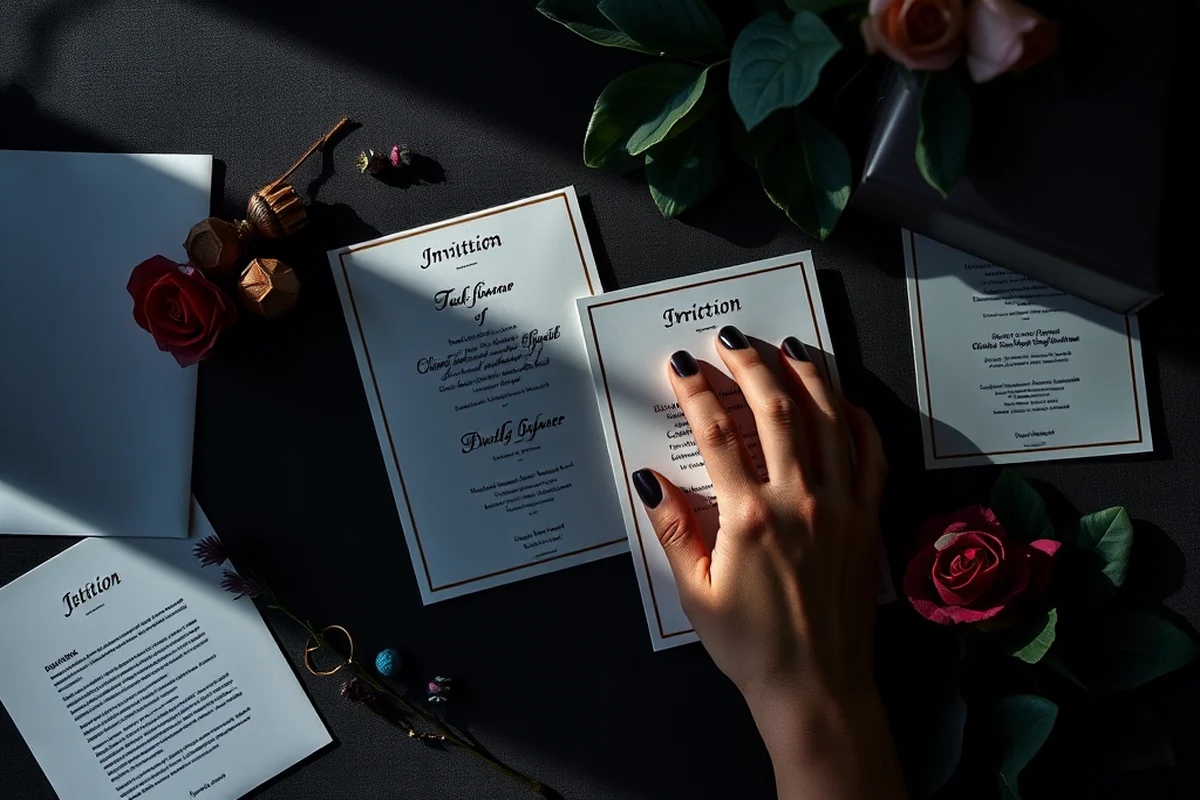
Lighting is one of the most subtle yet powerful ways to reinforce brand identity. It can reflect a company’s values, aesthetics, and tone. In one of my recent events for a sustainability-focused company, we used natural, earthy tones and soft lighting to align with the brand’s eco-friendly mission. The effect was subtle but consistent with their messaging.
I’ve also seen brands use lighting to highlight key products or services. For example, during a product launch, we used a spotlight to focus on the product, while the rest of the room was dimly lit. This technique helped draw attention to the product and create a sense of exclusivity.
In one case, a tech company used dynamic LED lighting to showcase their innovation. As the presentation progressed, the lighting changed in sync with the content, reinforcing the theme of progress and innovation. This kind of thoughtful integration of lighting and branding can make a lasting impression on attendees.
Related: Corporate Event Stage Design
Lighting for Different Types of Corporate Events
For formal events like board meetings or galas, the lighting needs to be elegant and understated. This usually means using soft ambient lighting, warm tones, and minimal spotlights. The goal is to create a professional atmosphere that supports the event’s purpose without distracting from it.
In contrast, events like product demos or tech expos require more dynamic lighting. These events often use vibrant colors, moving lights, and spotlights to draw attention to key elements. I’ve used rotating LED panels to create a sense of movement and energy that aligns with the tech-focused theme of the event.
Team-building events and offsites are different again. These are more relaxed, so the lighting should be more playful and inviting. I’ve used string lights and colored bulbs to create a fun and collaborative atmosphere that encourages interaction and engagement.
The Impact of Lighting on Attendee Experience
Lighting can influence mood, energy levels, and even how people interact. In one networking event, we used a combination of warm ambient lighting and task lighting to encourage conversation and engagement. The result was a more open and collaborative atmosphere where attendees felt comfortable to talk and connect.
I’ve also noticed that lighting can affect how people perceive the space. A well-lit room feels more welcoming and professional, while a poorly lit one can feel uncomfortable or even intimidating. This is especially important in events like job fairs or interviews, where the right lighting can make a lasting impression on attendees.
In one recent event, we used directional lighting to guide attendees through the space. This helped reduce confusion and ensured that people could easily handle the event. It also created a more organized and efficient layout, which was a huge benefit for both the organizers and the attendees.
Lighting can influence mood, energy levels, and how people interact with each other.
Measuring the Success of Your Lighting Strategy
After each event, I gather feedback from attendees to understand how the lighting affected their experience. In one event, attendees mentioned that the lighting made the space feel more inviting and engaging. This kind of feedback is invaluable because it helps refine future lighting strategies.
I also track engagement levels during the event. For example, in a product demo, we noticed that attendees stayed longer in areas that were well-lit and visually appealing. This suggests that lighting can influence not just mood, but also the level of engagement with the content.
Another way to measure success is through the overall impact of the event. If the lighting helped reinforce the brand message or create a memorable experience, then it’s a success. One of my proudest moments was when an attendee mentioned that the lighting made the event feel like a 'dream come true' — that’s the kind of impact we aim for.
💰 Budget-Friendly Lighting Setup
Use LED strips, string lights, and affordable fixtures to create a professional look without breaking the bank.
🏠 Small-Space Lighting
Focus on compact, directional lighting to maximize the impact of limited space and create a cohesive atmosphere.
🌳 Outdoor Event Lighting
Use weather-resistant LED lights and spotlights to create a visually stunning, safe, and inviting outdoor environment.
💼 Grown-Up Corporate Lighting
Opt for sleek, minimalist lighting with warm tones and ambient fixtures that reflect a mature, professional brand image.
🧼 Low-Effort Lighting Setup
Use pre-designed lighting kits and plug-and-play systems to reduce setup time and effort while achieving a polished look.
| The mistake | Why it happens | The fix |
|---|---|---|
| Overusing bright, white lights | This can make the space feel harsh and uninviting, detracting from the event’s atmosphere. | Use a mix of warm and ambient lighting to create a more balanced and comfortable environment. |
| Ignoring the event’s brand or theme | Lighting that doesn’t align with the brand can create a disjointed or confusing experience for attendees. | Always consider the brand’s identity and ensure that the lighting reinforces its message and values. |
| Not testing the lighting setup beforehand | Lighting that looks good on paper may not work in real-life conditions, especially in different spaces or under varying lighting conditions. | Always conduct a test run of the lighting setup in the event space to ensure it looks and functions as intended. |
| Using too many different types of lighting | This can create a cluttered and overwhelming visual effect that distracts from the event’s message. | Stick to a few key types of lighting and use them strategically to create a cohesive and focused visual experience. |
Corporate Event Lighting
Common Questions
What is the best type of lighting for a formal corporate event?
Can I use colored lighting for corporate events?
How do I choose the right lighting for a tech expo?
Is LED lighting the best choice for corporate events?
References
- Vitruvian Lights Tree Lighting - Addison, Texas (addisontx.gov)
- Leo Lei - University of Florida | College of the Arts (arts.ufl.edu)
- Lighting Technician (Live Events and Performances) | Berklee (berklee.edu)
- Under the Lights @ Sloss Furnaces | City of Birmingham, Alabama (birminghamal.gov)
Cite this guide
Corporate Event Decor (2026). Corporate Event Lighting. https://tablevenue.com/corporate-event-lighting/
Feel free to cite or share this guide.