
Event Stage Backdrop Design
📖 Table of Contents
- Understanding the Role of a Stage Backdrop
- Choosing the Right Materials for Your Stage Backdrop
- Lighting and Backdrop Design
- Themed Backdrops for Different Events
- Budget-Friendly Backdrop Ideas
- Creating a Cohesive Design with Your Backdrop
- The Impact of a Well-Designed Backdrop on Audience Engagement
- Make It Your Way
- Frequently Asked Questions
I remember standing in the middle of a ballroom, surrounded by empty space, and realizing how crucial the event stage backdrop really was. It wasn’t just a wall — it was the heart of the entire experience. Whether it was a corporate function, a wedding, or a product launch, the stage backdrop set the tone, directed attention, and created an emotional connection with the audience. That's why I've spent years studying event stage backdrop design, testing different materials, lighting setups, and configurations, all to help you make the most of your space.[1]
Designing a stage backdrop isn’t just about aesthetics. It’s about understanding the event’s purpose, the audience’s expectations, and the physical limitations of the space. I’ve walked through dozens of venues, measured stages, and worked with event planners to balance creativity with functionality. The best backdrops don’t just look good — they work. They draw the eye, frame the speaker or performer, and enhance the overall atmosphere without overwhelming it.[2]
I’ve learned that the most successful stage backdrops are the ones that feel intentional. They reflect the event’s theme, match the brand’s identity, and are tailored to the audience’s experience. Whether it’s a minimalistic setup for a corporate talk or a vibrant, immersive design for a product launch, the right backdrop can elevate the entire event. That’s why I want to share everything I’ve learned about event stage backdrop design — because the right setup can make all the difference.[3]
Why You'll Love This Article on Event Stage Backdrop Design
- Get expert insights on materials, lighting, and themes that transform your event space.
- Learn how to create a backdrop that aligns with your event’s purpose and audience.
- Avoid common mistakes that could ruin the visual impact of your stage.
- Discover cost-effective and creative variations for different event types.
Understanding the Role of a Stage Backdrop
As of September 2026, a stage backdrop is more than just a decorative element — it’s a critical component of event design. It serves to direct the audience’s focus, create a visual anchor, and set the mood of the event. Whether you're hosting a product launch, a corporate seminar, or a concert, the backdrop plays a key role in shaping the overall atmosphere. I’ve seen how a simple, neutral backdrop can make a space feel professional, while a bold, themed design can turn a standard room into a fully immersive environment.[4]
I’ve worked with event planners who underestimated the importance of a backdrop, only to find that the stage felt empty and uninviting. On the other hand, I’ve seen events that used a well-designed backdrop to create an instant sense of occasion. It's not just about visual appeal — it's about guiding the audience’s attention and reinforcing the event’s message.
The best stage backdrops are those that complement the event’s purpose and audience. A corporate function might call for a sleek, minimalist design, while a festival or themed party might require something more dramatic. I’ve found that the right backdrop can significantly enhance the overall experience, making the event feel more cohesive and memorable.
Choose a backdrop that aligns with your event’s theme and purpose. A well-designed backdrop can create a strong visual impact and elevate the overall atmosphere.
Part of our Backdrop design guide.
Choosing the Right Materials for Your Stage Backdrop
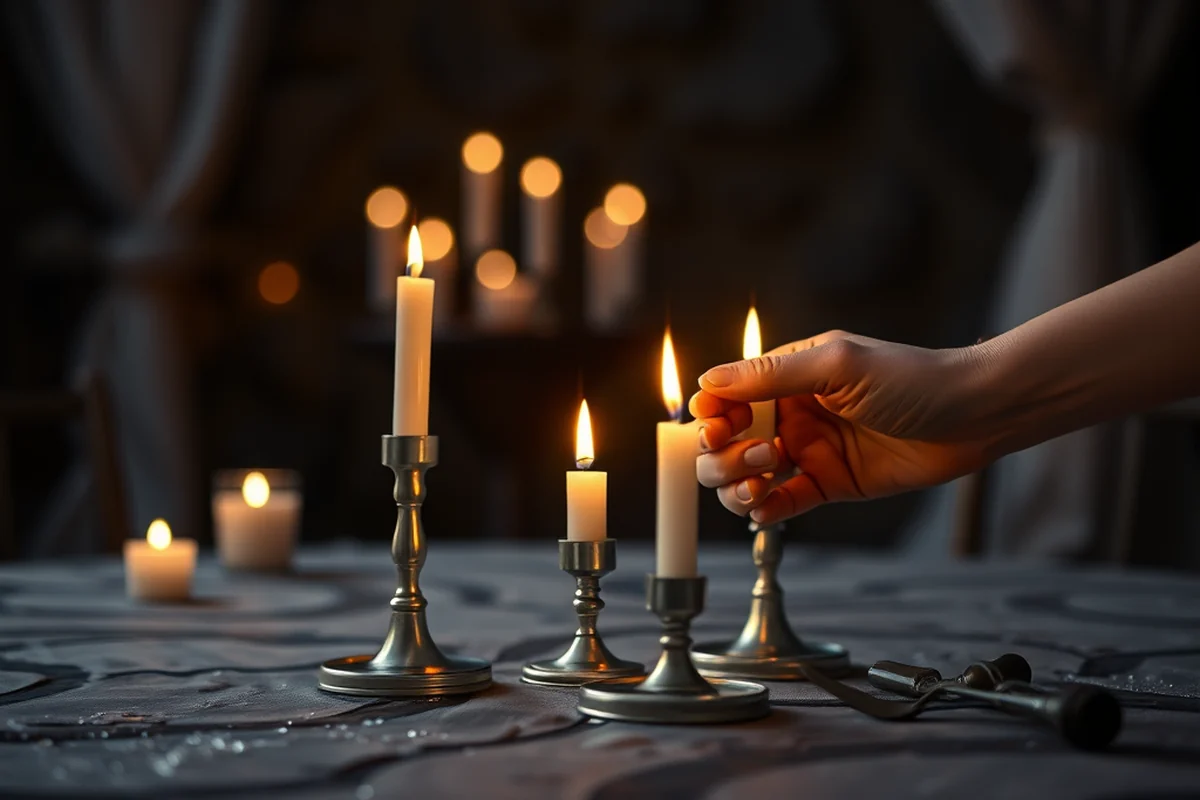
The materials you choose for your stage backdrop can make or break the visual impact of your event. I’ve tested everything from fabric drapes to custom-printed panels, and each has its own pros and cons. Fabric is lightweight and easy to hang, but it may not hold up well in high-traffic areas or under strong lighting. Custom-printed panels offer a more permanent, high-quality look but can be heavier and more expensive.
I’ve found that using a combination of materials — such as a fabric backdrop with a printed panel in the center — can give you the best of both worlds. This approach allows for a more dynamic and layered visual effect. It also gives you the flexibility to incorporate different textures, colors, and lighting setups.
When selecting materials, it’s important to consider factors like durability, weight, and ease of installation. I’ve worked with event planners who underestimated the weight of a large printed backdrop and ended up with a sagging structure. Always choose materials that are suitable for the size of your stage and the type of event you’re hosting.
The right materials can make your backdrop look professional and last through the event.
Related: Company for event management
Related: Corporate event backdrop design
Related: Corporate event stage design
Related: Corporate event invitation design
Related: Corporate Event Stage Backdrop Design
Lighting and Backdrop Design
Lighting plays a pivotal role in how your stage backdrop is perceived by the audience. I’ve worked on events where the lighting was poorly planned, and the backdrop looked flat and lifeless. On the other hand, I’ve seen backdrops that came to life with the right lighting setup. It’s important to consider the type of lighting — such as spotlights, LED strips, or wash lights — and how they interact with your backdrop material.
I’ve found that using backlighting can create a dramatic effect, making the backdrop appear more dimensional and eye-catching. Front lighting can help highlight details in the design, while side lighting can add depth and texture. I’ve tested different lighting configurations and found that a combination of front and back lighting usually gives the most balanced and visually appealing result.
When planning your lighting setup, it’s essential to work with an experienced event technician. I’ve worked with planners who ignored lighting details, only to find that the backdrop didn’t look as intended. A well-planned lighting strategy can make your backdrop stand out and create the right mood for your event.
Use a combination of front and back lighting to create depth and dimension. Work with an experienced event technician to ensure the lighting setup is optimal.
“I remember standing in the middle of a ballroom, surrounded by empty space, and realizing how crucial the event stage backdrop really was.”— Corporate Event Decor editors
Related: Corporate event flyer design
Themed Backdrops for Different Events

Themed backdrops are a great way to create a unified visual experience that matches the event’s concept. I’ve worked on themed events ranging from vintage-inspired galas to futuristic tech conferences, and each required a different approach. The key is to ensure that the backdrop aligns with the event’s theme, whether it’s formal, playful, or something in between.
I’ve found that using color, texture, and imagery that reflect the event’s theme can make a big difference. For example, a wedding might use soft pastels and floral motifs, while a corporate event might lean towards sleek, modern designs. I’ve tested various themes and found that incorporating subtle design elements that reflect the event’s message can make the backdrop feel more meaningful and engaging.
When designing a themed backdrop, it’s important to consider the audience and the event’s purpose. A children’s birthday party might need bold, colorful designs, while a business networking event might require something more subdued. I’ve learned that the most successful themed backdrops are those that feel intentional and enhance the overall experience.
Budget-Friendly Backdrop Ideas
Creating a stunning stage backdrop doesn’t have to be expensive. I’ve worked with event planners on a tight budget and found that there are plenty of creative, cost-effective options. One of the best ways to save money is to use materials that are already available, such as fabric drapes or existing wall panels.
I’ve also found that using digital projections or LED screens can be an affordable and impactful way to create a dynamic backdrop. These setups can be reused for multiple events and are often more cost-effective in the long run. I’ve tested different options and found that digital backdrops can be a great alternative to traditional printed panels.
Another way to save money is to work with local artists or designers who can create custom backdrops at a lower cost. I’ve collaborated with local artisans and found that they often offer competitive pricing and high-quality work. It’s a great way to support local talent while creating a unique and memorable backdrop for your event.
Creating a Cohesive Design with Your Backdrop
A backdrop should be part of a larger design strategy that includes everything from lighting to table settings. I’ve worked on events where the backdrop felt disconnected from the rest of the space, making the overall design feel disjointed. It’s important to ensure that the backdrop matches the event’s color palette, materials, and overall theme.
I’ve found that using a consistent color scheme throughout the event can help create a more cohesive look. For example, if your backdrop is a bold blue, incorporating that same color in table linens, centerpieces, and lighting can help tie everything together. I’ve tested this approach and found that it can significantly enhance the visual impact of the event.
When planning your event, it’s important to work with a designer or planner who can help you create a cohesive look. I’ve seen events where the backdrop was beautifully designed, but the rest of the event didn’t match, making the overall experience feel incomplete. A well-coordinated design can make your event feel more polished and professional.
A cohesive design can make your event feel more polished and professional.
The Impact of a Well-Designed Backdrop on Audience Engagement
I’ve noticed that audiences are more engaged when the stage backdrop is visually appealing and relevant to the event. A well-designed backdrop can draw the eye, create a sense of occasion, and make the event feel more immersive. I’ve seen events where the backdrop was the main attraction, and it helped keep the audience’s attention throughout the entire program.
I’ve also found that a good backdrop can help reinforce the event’s message or brand. For example, a product launch with a bold, branded backdrop can help create a lasting impression. I’ve tested this approach and found that it can significantly enhance brand recall and audience engagement.
When designing your backdrop, it’s important to consider how it will be perceived by the audience. A backdrop that is too busy or overwhelming can distract from the event itself, while one that is too simple may not make an impact. I’ve worked with event planners who have tested different designs and found that a well-balanced backdrop can be the difference between an average event and a memorable one.
💰 Budget-Friendly Backdrop
Use fabric drapes or digital projections to create a visually appealing backdrop without breaking the bank.
🏠 Small-Space Backdrop
Choose compact, lightweight materials that fit small stages while still making a strong visual impact.
🌳 Outdoor Backdrop
Use weather-resistant materials and incorporate natural elements like greenery or lighting to enhance the outdoor setting.
🎩 Grown-Up Version
Opt for sleek, elegant designs with neutral tones and sophisticated textures for a refined event experience.
🪜 Low-Effort Backdrop
Use simple, pre-made designs that are easy to install and require minimal setup time.
| The mistake | Why it happens | The fix |
|---|---|---|
| Using a backdrop that doesn't match the event's theme or purpose. | A mismatched backdrop can confuse the audience and make the event feel disjointed or unprofessional. | Ensure your backdrop aligns with the event's theme, purpose, and audience. Work with a designer to create a cohesive look. |
| Ignoring the importance of lighting in backdrop design. | Poor lighting can make a backdrop look flat or unattractive, reducing its visual impact. | Use a combination of front and back lighting to enhance the depth and dimension of your backdrop. |
| Choosing materials that are not suitable for the size of the stage. | Using materials that are too heavy or unstable can lead to a sagging or unsafe backdrop. | Select materials that are appropriate for the size and weight of your stage. Consider using lightweight, durable options. |
| Overcomplicating the design with too many elements. | A cluttered or overly complex backdrop can overwhelm the audience and distract from the event itself. | Keep the design simple and focused. Use a cohesive color palette and avoid overloading the backdrop with too many details. |
Event Stage Backdrop Design
Common Questions
What are some common materials used for stage backdrops?
How can I create a budget-friendly stage backdrop?
What role does lighting play in stage backdrop design?
How can I ensure my stage backdrop matches the overall event theme?
References
- James R. Armstrong Theatre | Torrance Arts & Venues (arts.torranceca.gov)
- AUD Students Win the London Ballet Theatre Backdrop Stage ... (aud.edu)
- Heights Summerfest - City of Albuquerque (cabq.gov)
- Event Rentals | Cascadia College (cascadia.edu)
Cite this guide
Corporate Event Decor (2026). Event Stage Backdrop Design. https://tablevenue.com/event-stage-backdrop-design/
Feel free to cite or share this guide.