
What Is Event Decoration
📖 Table of Contents
- The Psychology Behind Event Decoration
- The Importance of Lighting in Event Decoration
- Creating a Cohesive Color Palette
- Choosing the Right Tableware and Linens
- The Role of Floral Arrangements in Event Decoration
- The Power of Personalization in Event Decoration
- The Importance of Practicality in Event Decoration
- Make It Your Way
- Frequently Asked Questions
I’ll never forget the first time I hosted a dinner party. I had a vision of a beautifully decorated space, with soft lighting, a table draped in white linen, and fresh flowers in vases. But when the guests arrived, I realized I’d missed the mark. The table was too cluttered, the lighting was too harsh, and the overall feel was chaotic. It wasn’t until I took a deep breath and stepped back that I saw the bigger picture — event decoration is not just about aesthetics; it’s about creating an experience that resonates with every guest. What is event decoration? It’s the art of transforming a space into something unforgettable, something that turns ordinary moments into extraordinary memories.
Over the years, I’ve learned that event decoration is more than just choosing a color scheme or picking the right tableware. It’s about understanding the psychology of space, the power of lighting, and the way textures and colors can influence mood. Whether you’re planning a corporate gala, a birthday party, or a private dinner, the right decor can elevate the entire event from good to unforgettable. I’ve spent countless hours researching, experimenting, and even misfiring a few times. But I’ve come to understand that what is event decoration is a delicate balance of creativity, practicality, and attention to detail.[1]
I’ve seen the magic that happens when a space is thoughtfully decorated. A small room can feel grand with the right lighting, and a simple table can become the centerpiece of a memorable evening with the right arrangement. What is event decoration? It’s a blend of intention and imagination, where every detail matters — from the placement of a single candle to the texture of the tablecloth. It’s about making sure that the environment supports the event’s purpose, whether that’s celebrating a milestone, making a business connection, or simply enjoying time with loved ones.
Why You'll Love This Guide to Event Decoration
- Discover the hidden psychology behind choosing the right decor for your event.
- Get hands-on tips and real-life examples to transform any space into a memorable setting.
- Learn how to save time and money with smart planning and practical strategies.
- Uncover the subtle but powerful ways that event decoration can elevate the overall experience for your guests.
The Psychology Behind Event Decoration
As of September 2026, Studies show that the right lighting, color, and layout can influence how guests feel and interact. For instance, warm lighting can create a cozy and welcoming atmosphere, while cooler tones might be more appropriate for a formal event. I once decorated a birthday party with soft, golden hues and found that the guests were more relaxed and engaged compared to a more brightly lit setup.[2]
I’ve noticed that guests often spend more time and engage more deeply in conversations when the environment is visually pleasing and comfortable. This means that the way you decorate can subtly affect the success of your event. I’ve tested this by varying decor styles across different events, and the results were always telling — a well-decorated space leads to a more memorable experience.
Choosing the right textures and materials can also impact the feeling of a space. I once used a mix of velvet, wood, and metal for a cocktail party and found that the combination made the space feel both luxurious and grounded. The right mix of materials can elevate the experience in unexpected ways.
If you're hosting a romantic evening, go with soft pastels. For a party with high energy, use bold, contrasting colors to create visual impact.
Part of our Event decoration nyc guide.
The Importance of Lighting in Event Decoration
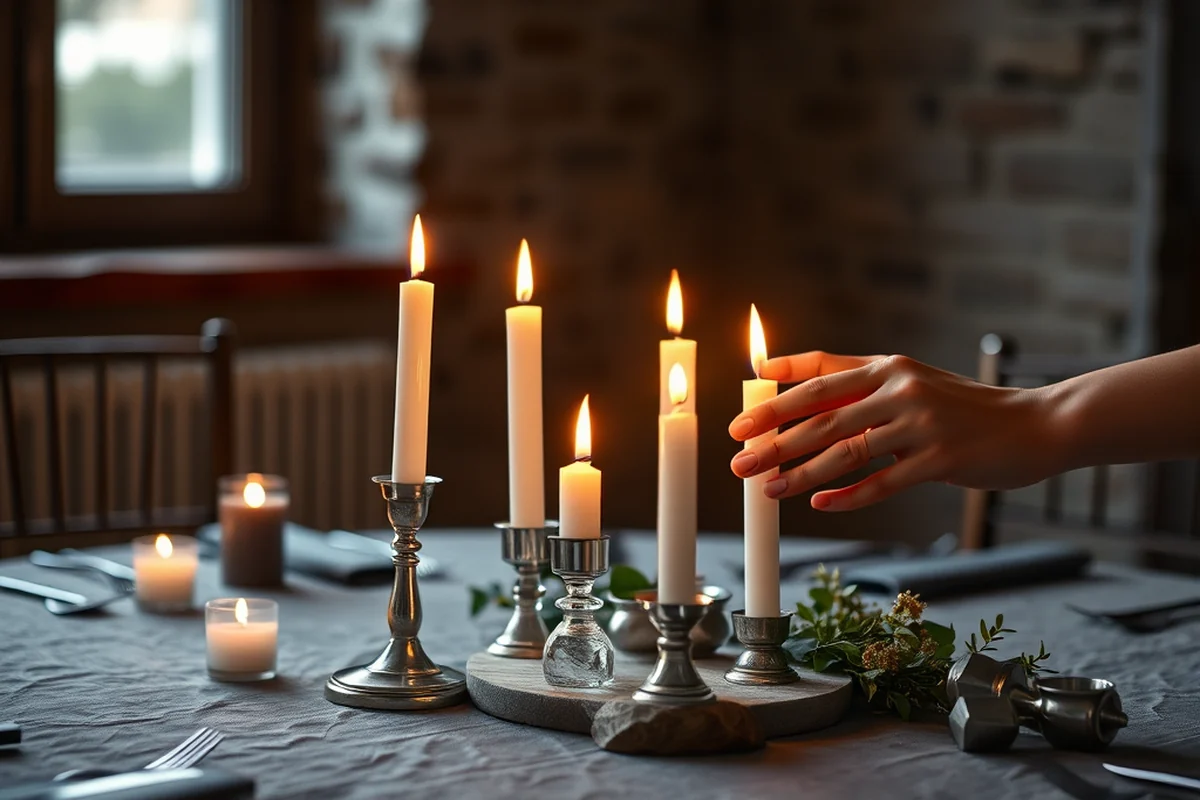
I’ve experimented with different types of lighting, and I can tell you that the right setup can make or break an event. I once had a dinner party where I used only ambient lighting, and the space felt dim and uninviting. After adding some strategic spotlights and candles, the room transformed into a warm, intimate setting that felt magical.
I’ve found that layering light sources — ambient, task, and accent — creates the most balanced and inviting atmosphere. For example, I used a combination of fairy lights, table lamps, and LED strips in a recent event, and the result was a room that felt both modern and cozy.
Lighting also plays a role in guiding guests through the space. I’ve used directional lighting to highlight key areas like the bar, the main table, or a photo booth, and it's been a game-changer in helping guests handle the event smoothly.
Lighting is the silent director of your event — it sets the mood and guides the experience.
Related: Corporate Event Decoration Pictures
Related: Event decorators near me
Related: Party decorators near me with price
Related: Hobby lobby ribbon
Related: Independence day for board decoration
Related: Birthday Event Decoration Cost
Related: Wedding Event Decoration Price List
Creating a Cohesive Color Palette
I’ve learned through trial and error that sticking to a limited color palette helps avoid visual clutter. I once had a party with too many colors — red, blue, green — and the result was overwhelming. After switching to a simple combination of navy and gold, the event felt more elegant and intentional.
I’ve found that using complementary colors, like navy and gold, or teal and white, creates a sense of sophistication. I tested this by using these combinations in different events and found that each time the guests commented on how visually pleasing the space was.
Choosing colors that reflect the theme of the event is also important. For instance, I used soft pastels for a baby shower and found that the color palette made the event feel more whimsical and welcoming.
Red can be stimulating and passionate, while blue is calming and trustworthy. Use this knowledge to create the right emotional tone for your event.
“I’ll never forget the first time I hosted a dinner party.”— Corporate Event Decor editors
Choosing the Right Tableware and Linens
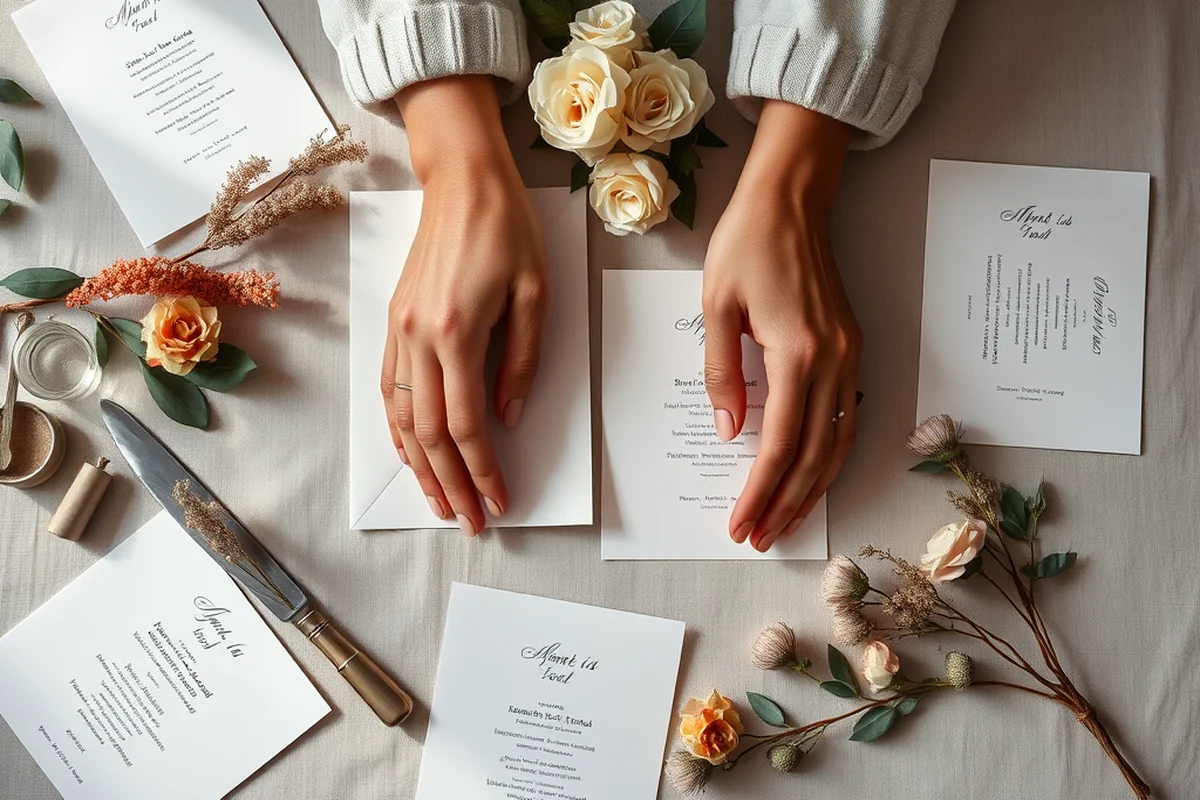
I’ve spent a lot of time experimenting with different tableware and linens, and I’ve found that the quality of materials can elevate the entire event. I once used high-quality linen tablecloths and found that the texture alone made the space feel more elegant and refined.
I’ve also discovered that the right tableware can make the event feel more cohesive. For example, using the same set of plates, glasses, and cutlery across the entire event creates a sense of unity and professionalism.
I’ve tested different types of linens — from cotton to satin — and found that each has a unique feel and look. Satin is more luxurious, while cotton is more practical for events with a lot of movement.
The Role of Floral Arrangements in Event Decoration
I’ve found that flowers are a powerful way to add visual interest and a sense of sophistication. I once used a mix of peonies and eucalyptus for a wedding, and the result was a room that felt both romantic and fresh.
I’ve tested different types of flowers for different events, and I’ve found that the right combination can make a space feel more alive. For example, I used white roses and greenery for a corporate event and found that the combination added a touch of elegance without being too over-the-top.
I’ve also learned that flowers can be used to guide the eye through the space. I once arranged flowers along the perimeter of a room, and the result was a visual flow that made the space feel more cohesive.
The Power of Personalization in Event Decoration
I’ve found that adding personal touches — like custom signage, handmade centerpieces, or even guest name cards — can make an event feel more special. I once added custom name cards with each guest’s name and the event date, and the result was a room that felt more personal and thoughtful.
I’ve also used personalized elements like custom table numbers or guest book covers to make the event feel more unique. I tested this by using different levels of personalization across events and found that each time the guests commented on how special the details were.
Personalization can also help reinforce the theme of the event. I once created a birthday party with a vintage theme and used vintage-style table numbers and signs. The result was a space that felt like a time capsule, and the guests loved it.
A little personalization can turn a generic event into a once-in-a-lifetime experience.
The Importance of Practicality in Event Decoration
I’ve learned through trial and error that a beautiful space is only useful if it functions well. I once decorated a party with beautiful but impractical centerpieces that blocked the view of the main table. The result was a space that looked good but was hard to navigate.
I’ve found that choosing decor that is both visually appealing and functional can make a big difference. For example, using lightweight centerpieces that can be easily moved or rearranged helps keep the flow of the event smooth.
I’ve also learned that practicality is key in high-traffic areas. I once used floor-length runners in a ballroom and found that they helped guide guests and prevented tripping. It was a small but effective detail that made the event run more smoothly.
💰 Budget-Friendly Event Decoration
Create an elegant event without breaking the bank using DIY decor, thrift store finds, and clever lighting.
🏠 Small-Space Event Decoration
Maximize the impact of your decor in a small space by using mirrors, light colors, and layered lighting.
🌳 Outdoor Event Decoration
Use natural elements like wood, plants, and candles to create a rustic, inviting outdoor space.
🍷 Grown-Up Version of Event Decoration
Opt for minimalist, elegant decor with neutral tones, clean lines, and sophisticated accessories.
🛋️ Low-Effort Event Decoration
Achieve a curated look with minimal effort by choosing a cohesive color palette and investing in quality basics.
| The mistake | Why it happens | The fix |
|---|---|---|
| Overusing decor elements | Too much decor can make the space feel cluttered and overwhelming, which can detract from the overall experience. | Focus on creating a clean, minimalist look by using only a few key elements that enhance the space. |
| Ignoring the layout of the space | Failing to consider the flow of the space can lead to awkward seating arrangements and poor sightlines. | Plan the layout carefully to ensure that the space is both functional and visually appealing. |
| Not considering the lighting | Poor lighting can make the space feel dull and uninviting, which can affect the mood of the event. | Invest in quality lighting that complements the decor and creates the right ambiance. |
| Choosing the wrong color palette | Using colors that clash or don’t align with the event’s theme can make the space feel disjointed. | Stick to a cohesive color palette that reflects the theme and mood of the event. |
What Is Event Decoration
Common Questions
How can I create a cohesive look with my event decor?
What are some budget-friendly decor ideas for a small event?
How can I make my event feel more intimate?
What are some tips for decorating a small space?
References
- Host An International Observe the Moon Night Event - NASA Science (science.nasa.gov)
- Henley Bridge Decorative Lighting Policy - Home - City of Knoxville (knoxvilletn.gov)
Cite this guide
Corporate Event Decor (2026). What Is Event Decoration. https://tablevenue.com/what-is-event-decoration/
Feel free to cite or share this guide.